 Blogcritics The critical lens on today's culture & entertainment
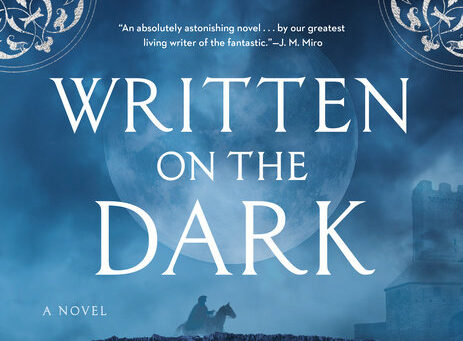
Written on the Dark
Written on the Dark is the latest book from the pen and mind of historical/fantasy writer Guy Gavriel Kay. Unfortunately calling the genre historical/fantasy does what Kay creates a disservice, as it doesn’t nearly encompass the scope and depth of his stories or his characters.
As with his most recent books, Written on the Dark is set in Kay’s version of medieval Europe. For while place and people’s names are changed, the countries, and some historical figures, are recognizable. Here, Kay’s focus is on France – or as he refers to it, Ferrieres – during the Hundred Years’ War.
The Hundred Years’ War was the interminable fighting between England and France that only ended when England finally surrendered any claims they had on territory in mainland Europe. Everyone from Shakespeare (all of his Henrys) to modern historical fiction writers have glorified England’s fight to keep its toeholds in France, but few English-language authors have told the story from the French point of view.
In Written on the Dark Kay rectifies this shortcoming. Ferrieres is beset by both internal and external threats to its sovereignty. Not only are the perfidious Anglcyn intent on solidifying their grasp on Ferrieres’ soil, the Duke du Barratin is intent on increasing his personal power at any cost, even if it includes aiding a foreign invasion.
World-shaking events don’t impact only the high and mighty. Thierry Villar is a tavern poet and aspiring petty thief, best known for his improvised and lampooning poetry recited in the inns and drinking establishments of Orane. Circumstances and chance change his world in the space of one night.
When the king’s brother, who also acts as regent when the king is too unwell to attend his duties, is brutally slain in the streets of Orane, Villar is conscripted by the city’s authorities to help discern who carried out the attack. Initially just a collector of information, Villar is gradually drawn deeper and deeper into the schism threatening to pull Ferrieres into civil war.
Kay has populated Written on the Dark with a wonderful collection of characters whose provenance ranges from the dirt floors of the taverns to the courts of the powerful. There are villains and heroes and those like Villar who are just trying to make the best of their situations.
While most of the characters are what you would expect, some take you by surprise. Not only is there a gay character, a high-ranking military officer, there is also a non-gender-specific character. While they both are careful about their lives, and not living openly, their inclusion is significant as a subtle refuting of the “why are there so many of them now” argument.
Kay has done his usual masterful job of bringing a time and era to life. From the living conditions to the weather, we are immersed in the environment. From the bitter cold of the book’s opening to the mud that clings to horses’ hooves and soldiers’ feet, we aren’t spared many details of the hardships people faced. Sure there is glory at the courts, but the rest of the world is struggling to survive.
Kay has the unusual ability to create a world on the page that comes to life the moment you start reading. These aren’t unblemished societies, as he depicts them warts and all, but they are fascinating and enthralling, making you wish your visit would last just a little longer. While the specific story might end with the pages of the book, you can well imagine the characters’ lives continuing even after you’ve closed the covers for the final time.
Written on the Dark is a wonderful read filled with elegance and danger that will leave readers wishing it was just a little bit longer.