 Blogcritics The critical lens on today's culture & entertainment
It’s been a while since I last shared an update on my semaglutide journey. I first began writing about it back in January 2024, when I took my first steps into the unknown. With a starting weight of 250 pounds, I’ve updated a couple of times along the way, but nearly two years in, I thought it was time to reflect again—on the challenges, surprises, and victories so far.

Why I Started
I didn’t begin semaglutide because I wanted to change how I looked. I started because of pain. By late 2023, osteoarthritis in my knees had me walking with a cane. On my feet alot (teaching), I needed to do something.
I tried everything: arthritis rubs, knee braces (hard to fit when your thighs were too big), lidocaine patches. Some things helped for a little while, but nothing worked well—or for long.
At that point, I had two choices: knee surgery (if I’d even be a candidate) or, under the guidance of my primary care doctor, giving GLP-1s a try.
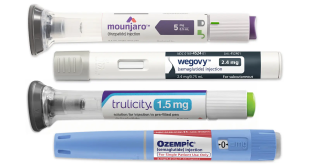
I’d read about Ozempic and asked my doctor: “Am I a candidate for these new GLP-1 meds?” He said I was, and that for every pound I lost, I’d take eight pounds of pressure off my knees). I set a goal of eventually getting even a pound below 200 pounds. My doctor said take it a bit at a time and don’t set such an abitious goal at first, and “We’ll see how it goes.”
Why it Works
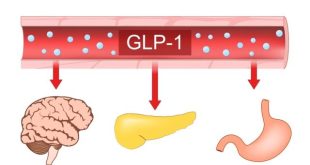
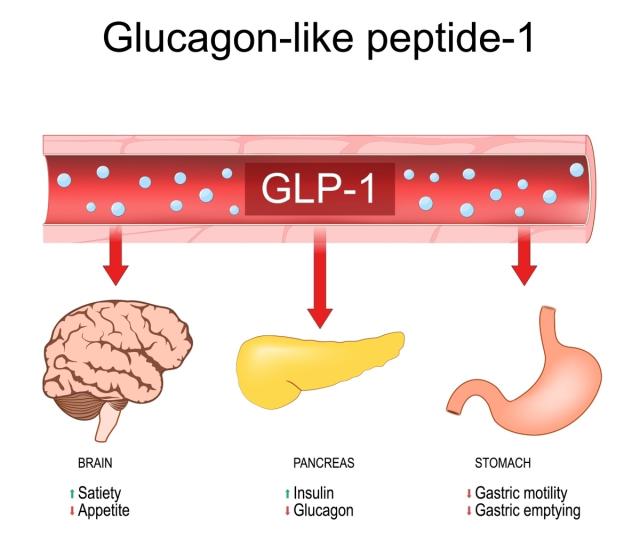
One of the remarkable things about semaglutide is how it changes the brain’s conversation with the body around food. GLP-1 medications mimic a hormone that helps regulate appetite and blood sugar. In simple terms, it strengthens the signal in the brain that says “enough.”
Instead of battling constant hunger or cravings, I found myself able to stop eating when I was satisfied. It’s not willpower—it’s biology finally working with me, not against me.
Where I Stand Today
Twenty months later, I’m eighty pounds lighter (well below the “ambitious” fifty I’d envisioned) and wearing clothing sizes I hadn’t seen in decades. (Going from a size 28 jeans to a 10, and a 3x tee-shirt to a small.)
The side effects?
- Mild queasiness a couple of days after each injection
- Constipation (manageable)
- Saggy skin under my chin (expected at my age)
The surprises?
- No longer needing blood pressure medication
- No longer needing a cane
- Reduced pain meds—just two extra-strength Tylenol a day
Non-Scale Victories (NSVs)
In the semaglutide community, there’s a phrase we love: NSVs—Non-Scale Victories. The number on the scale tells only part of the story. For me, the real wins have included being able to tie my shoes while seated on a plane, walking through an airport without worrying about keeping up, fitting into seats comfortably with no seatbelt extender(!), and—most important—reclaiming the freedom to travel and hike again. And–walking uphill without having to stop every few feet. These moments don’t show up in charts or clothing sizes, but they’re the victories that remind me why I began this journey in the first place.
Fat Acceptance and GLP-1s
This morning I read an article in The Wall Street Journal about the tension between the fat acceptance movement (which I support with all my heart) and the rapid growth of GLP-1 use.
I believe both things can be true:
- Body size is not automatically a measure of health
- Sometimes excess weight does put real stress on the body
For me, the weight on my knees had become a disability. Using semaglutide wasn’t about aesthetics. It was about mobility, independence, and quality of life.
Putting It to the Test
The real test came on a recent trip to Iceland and Norway. Lots of hiking. Uneven terrain. Hills.
Two years ago, we did a circumnavigation cruise around the British Isles. We selected “easy” shore excursions, yet I still struggled getting in an out of the buses and vans without stiffness and pain (despite cortisone shots and oral pain meds). My cane was my constant companion, both on and off the ship.
This year we went on a cruise to Norway and Iceland. We selected “moderately” active cruises, all of which required lots of walking, and on uneven terrain. Even this time, I went prepared—with cortisone shots in each knee and a trekking pole “just in case.”
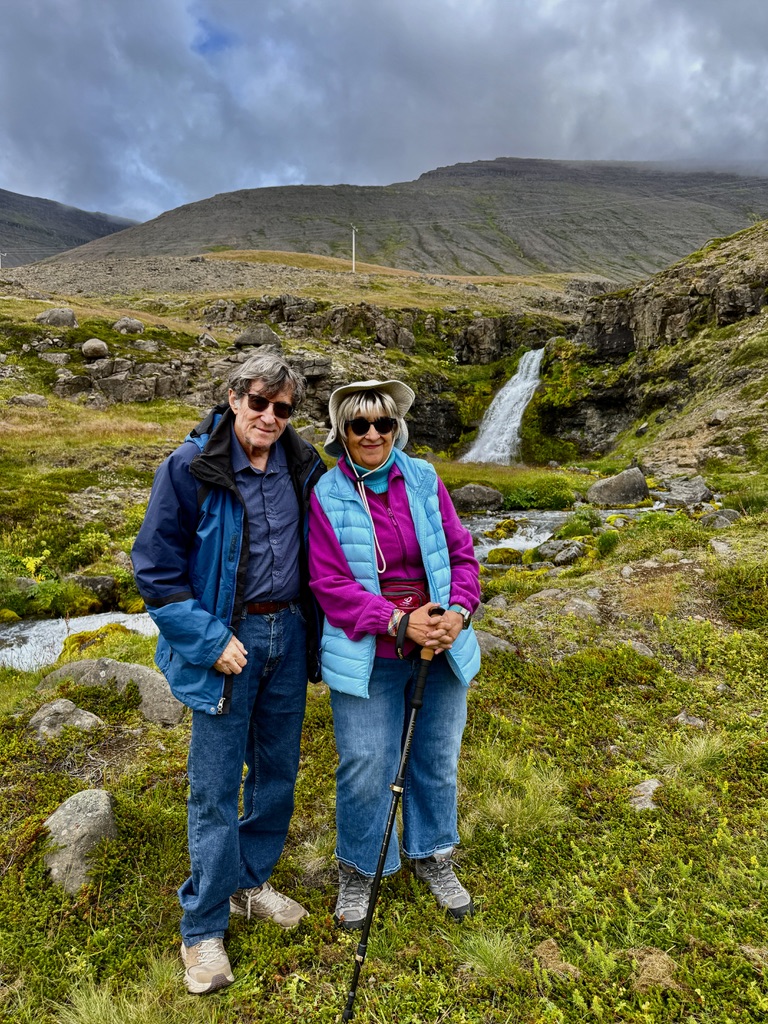
What happened? I averaged 15,000–20,000 steps a day. I climbed, explored, came back to the ship, and still had energy left for an active evening. No collapse. No exhaustion. No muscle fatigue.
Looking Ahead
I still live with arthritis. I still manage pain. But my world has expanded in ways I couldn’t have imagined two years ago.
I eat what I want to eat. Ice cream? Check! Pasta? Check! A piece of birthday cake? Check! But I don’t have cravings and that nasty “food noise” is at a way, way lower volume. I get hungry. I get an itch for a favorite food. And I indulge, but the signal in my brain now works and reminds me that I have had enough.
This journey is not about perfection—it’s about possibility. I will have to take semaglutide meds for the rest of my life, but the one shot per week is so very worth it. For my health, for quality of life, for mobility and the ability to maintain an active lifestyle well into my 70s!