 Blogcritics The critical lens on today's culture & entertainment
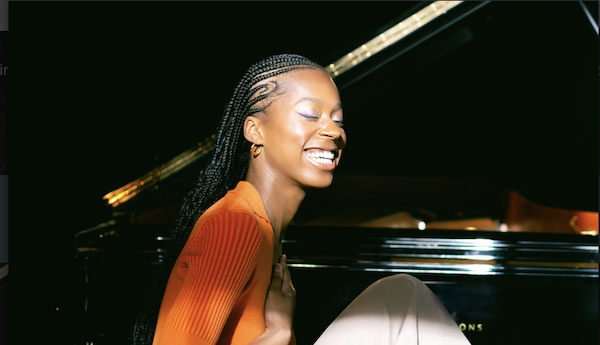
A recent documentary featured pianist Isata Kanneh-Mason championing the under-appreciated and largely obscured music of Fanny Mendelssohn. Now another member of the Kanneh-Mason clan, Jeneba Kanneh-Mason, turns her attention to a much better-known woman artist. But it’s not another composer. It’s novelist Jane Austen, whose 250th birth anniversary is next month (December 2025).
Austen was a pianist herself. So Kanneh-Mason asked herself: What are the references to music in Austen’s writing? What contemporary music did the novelist know, and what might she have performed privately? Kanneh-Mason found valuable sources to consult. The Austen family’s original collection of music books is still extant. And the annual Hampshire Music Meetings, which Jane Austen’s piano teacher helped curate and the writer likely attended, are well-documented.
The happy result is Kanneh-Mason’s new EP and second release, Jane Austen’s Piano, with music for solo piano by Haydn, Händel, and English composers George Kiallmark and Johann Baptist Cramer.
The release also includes a piece by contemporary composer Dario Marianelli from his soundtrack to the 2005 screen adaptation of Austen’s Pride & Prejudice. (You know, the one with Keira Knightley that you – or the hopeless romantic in your orbit – has probably seen six times).

Jane Austen’s Piano commences with a fresh-sounding rendition of Haydn’s popular Piano Sonata in C Major, Hob XVI:35. I remember the first movement from my own piano lessons. It was one of those pieces where you could imagine you were a fine pianist indeed merely by managing to navigate the triplets in the left hand at a fast tempo. It’s easy to picture Austen’s piano teacher, Dr. George Chard, spreading this score open on a Broadwood square piano for his talented literary amateur.
Kanneh-Mason’s deft touch clarifies every ornament and foregrounds the warmth of the piano’s lower register in those rare passages where this trebly sonata ventures low. Her sunny approach to Haydn is especially affecting in the slow movement. She treats Haydn’s figures not as respected relics but as precious gems deserving of the finest and most tasteful settings.
At times while listening I couldn’t help mentally shifting the music to an imaginary harpsichord. These performances, while full of life, don’t over-emote. They feel both fresh and of their time.
Kanneh-Mason also offers two movements from keyboard suites by Händel. Her performance of the slow Menuet from the Suite in B-Flat Major, HWV 434, reveals the pianist’s more contemplative side. It reads like a love theme. Just as sensitive is her dulcet reading of the Allemande from the Suite in D minor, HWV 438. These excerpts made me wish for the complete Suites from this pianist.
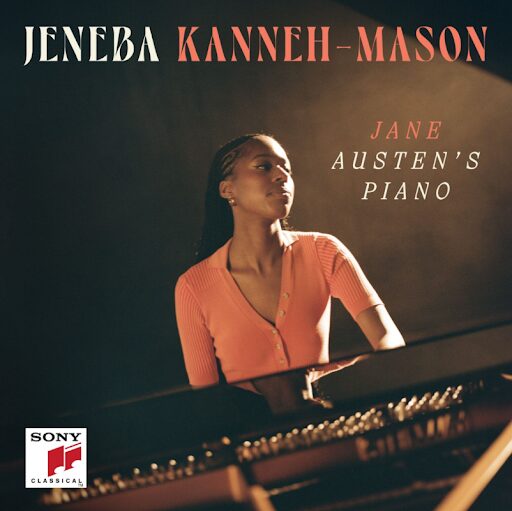
Austen mentions Kiallmark’s “Robin Adair” variations in Emma. Kanneh-Mason’s charming take combines child-like naïveté with breathy emotion. Cramer’s Etude No. 3 in A minor flies by, fleecy yet full. And the album wraps up with “Dawn,” the flowery romance from Marianelli’s soundtrack. I’m pretty sure I actually remember the piece from the movie, which is still ubiquitous on broadcast and streaming services. The piece serves as a kind of sweet encore to an EP that isn’t long enough to really need one.
But this new release heralds greater things to come from this young, talented and (importantly) history-conscious pianist. Jane Austen’s Piano from Jeneba Kanneh-Mason comes out December 5, 2025 on Sony Classical. Pre-order here.