 Blogcritics The critical lens on today's culture & entertainment
Liberty is a vaunted goal in this country and one of the ideals deeply woven into the American identity. Yet that liberty can be unjustly taken away by a criminal justice system that strives to be impartial but, like any human institution, remains vulnerable to error, bias, and even corruption. What would you do if you were wrongly convicted of a crime you did not commit? How would you begin to reclaim your freedom, your reputation, and the years taken from your life? More importantly, who would believe you?
Crusaders for Justice
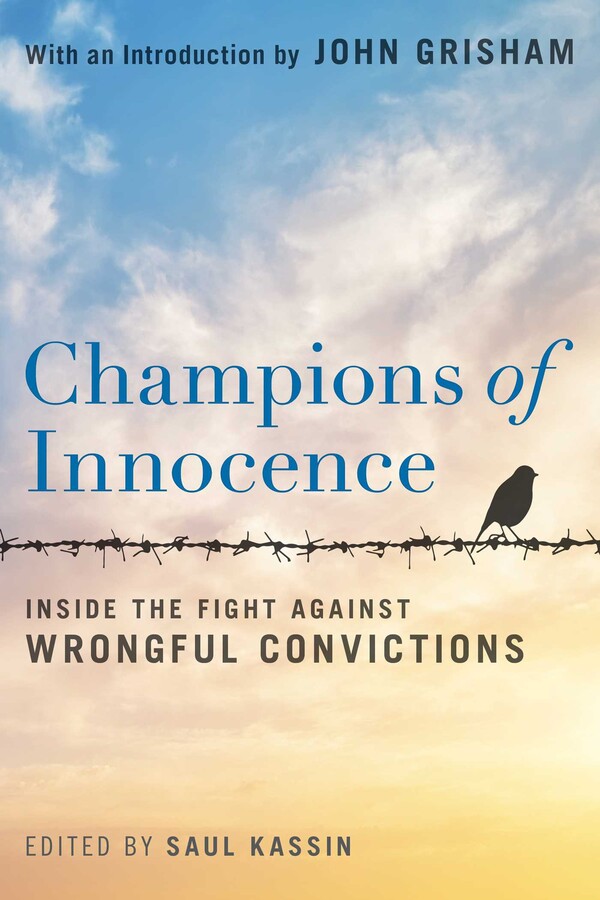
Champions of Innocence: Inside the Fight Against Wrongful Convictions introduces readers to the attorneys, forensic scientists, law professors, journalists, and exonerees who have dedicated themselves to answering those questions. Through a collection of essays and personal reflections, the book profiles individuals who have challenged wrongful convictions, helped secure the release of innocent people, and reshaped the public conversation about justice.
Among those featured are Jim McCloskey, founder of Centurion Ministries; Eric S. Lander, the mathematician, geneticist, and MIT professor whose work helped advance our understanding of the human genome; Erin Moriarty, attorney and longtime 48 Hours correspondent; and Amanda Knox, whose murder conviction was ultimately overturned after her confession was discredited. Together, these contributors present different perspectives on a common mission: ensuring that justice serves the innocent as faithfully as it pursues the guilty.
Those involved with innocence organizations deserve recognition, and this collection provides it. I never had the impression that most contributors were seeking personal acclaim. Instead, they come across as people who have witnessed serious flaws within the justice system and are determined to correct them. A handful of essays occasionally read more like professional profiles than reflections on justice itself, but they are the exception. Most are thoughtful, compelling, and deeply human.
I was particularly struck by the stories of attorneys willing to challenge entrenched institutions in pursuit of the truth. Their willingness to question accepted conclusions and advocate for those whom society had already condemned speaks to the highest ideals of the legal profession.
Editor Saul Kassin’s own contribution, which explores the psychology of false confessions, is especially illuminating. His discussion of the scientific research surrounding interrogation practices raises important questions that prosecutors, investigators, and policymakers should take seriously. Public safety depends not merely on convictions but on accurate convictions. Justice is not served when innocent people are pressured into confessing while the guilty remain free.
Free at Last
The essays that affected me most, however, were those written by the exonerees and crime victims themselves, particularly Amanda Knox, Martin Tankleff, and Jessica Thompson. Thompson’s account is especially moving. After surviving a brutal assault, she identified Ronald Cotton as her attacker during a police lineup. He was convicted and spent years in prison before DNA evidence proved his innocence. Rather than retreat from that painful truth, Thompson chose to meet Cotton, and together they later wrote about their shared experience. Their story illustrates not only the fallibility of eyewitness memory and investigative procedures but also an extraordinary capacity for humility, forgiveness, and reconciliation in the aftermath of injustice.
Champions of Innocence is an important and timely collection. Regardless of one’s views on the criminal justice system, the essays remind us that the pursuit of justice requires both accountability and a willingness to correct mistakes. A society committed to liberty must care not only about punishing the guilty but about protecting the innocent. That enduring principle gives this book both its urgency and its hope.