 Blogcritics The critical lens on today's culture & entertainment
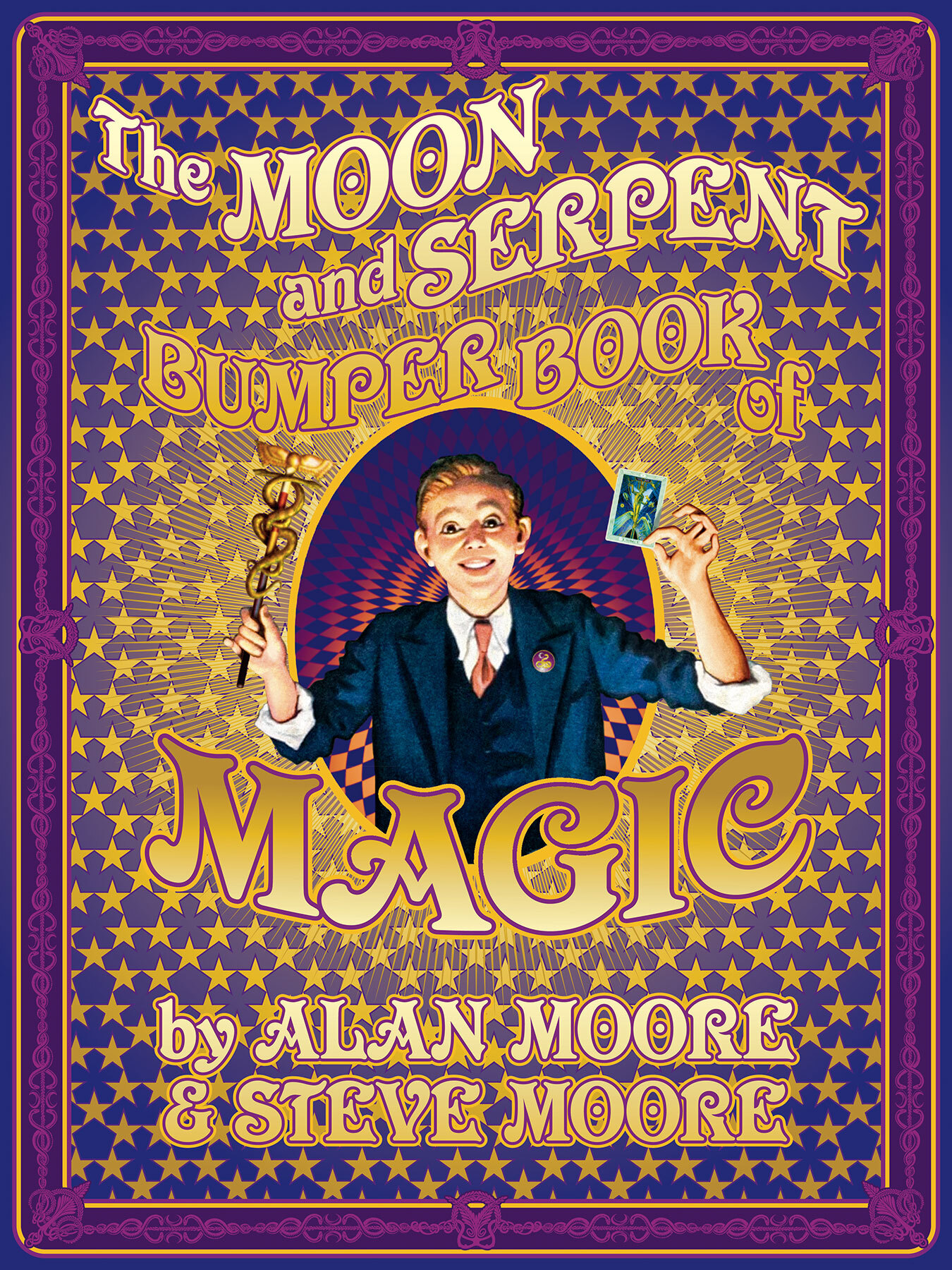
The Moon and Serpent Book of Magic
The Moon and Serpent Bumper Book of Magic, published by Top Shelf Productions, is a veritable tome of magical knowledge. This 352-page behemoth is written by Alan Moore and Steve Moore, not blood relations but two comics creators brought together by fate as teenagers. The legend is that it was Steve who first showed Alan how to write comic scripts. The two have worked together frequently, and Blather magazine noted they are fellow occultists. Though their comics bibliographies are extensive, it is their fascination with magic and the occult, both historical and modern, that produced this extensive collection of stories and methods in magic.

Rather than being a dry flow of words, The Moon and Serpent Bumper Book of Magic takes a fun organizational note from bumper books popular among younger readers decades ago, including connect-the-dots and maze games. Like the League of Extraordinary Gentlemen and other works where the comics are outfitted with parodies of classic media, the book contains numerous insets and chapters that one might expect in kiddie bumper books of nature or bunny suicides. This multifaceted method keeps the reader shifting gears with styles of storytelling showing how the many aspects of magic and history fit together. It even offers a cut-out and assemble paper Moon and Serpent Temple!
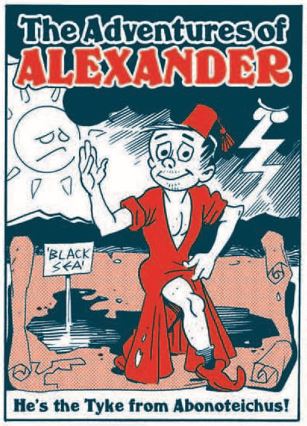
The table of contents for The Moon and Serpent Bumper Book of Magic alone offers a staggering view into the many directions one may take studying magic. The “chapters” tell ongoing stories or further activities around the same subjects. “Old Moores’ Lives of the Great Enchanters” shows tales of famous magic-users like Circe, Zoroaster, Solomon, and Sosipatra, leading to more modern characters like Heinrich Cornelius Agrippa, John Dee, and Alistair Crowley. Most extensive of all is an ongoing comic about Alexander of Abonoteichus, one of the earliest thoroughly documented sorcerers.
Practical Magic
In addition to the historical magicians, The Moon and Serpent Bumper Book of Magic showcases a practical examination of all things magical. A “Things to Do on a Rainy Day” parody of fun kids’ activities, with reflections on the magic of creativity or playing with dreams, leads to an understanding of rituals, divination, and summoning, as well as spellcasting, of course. Essays explain Kaballah and Tarot. Other philosophy comes in a more poetic form, such as the pulpy examination of the soul as if from the pen of Lovecraft or Wodehouse. The appendices are packed with figures and celestial alphabets along with further explanations and reflections.
The words in The Moon and Serpent Bumper Book of Magic are great for study, but it is the art that makes something more of them on the page. Powerhouses such as Kevin O’Neill and Rick Veitch add their talents for an eye-engaging read. The styles are as varied as the kinds of magic studied, from the gritty, heavily inked depictions of early humans experimenting with mind-altering drugs by Steve Parkhouse in “In the Morning of the Mind” to John Coulthart’s rich, delicate images recalling the golden age of pulp. Like magic as a topic itself, The Moon and Serpent Bumper Book of Magic has more and more on each page as the reader studies.