 Blogcritics The critical lens on today's culture & entertainment
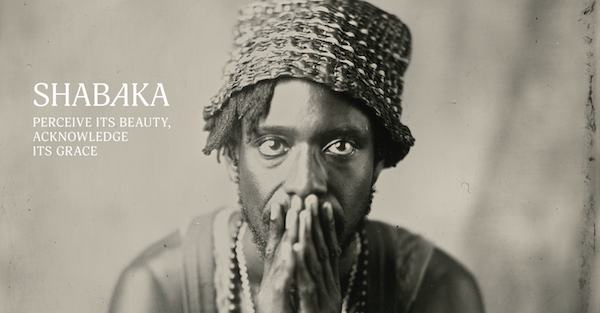
Shabaka, Perceive Its Beauty, Acknowledge Its Grace
“What genre is Shabaka?” That’s the first “People also ask” result when you Google “Shabaka Hutchings.” A telling factoid. With some music, “genre” is tough to specify.
Shabaka Hutchings, often known by his first name alone, released his latest album this spring. While Perceive Its Beauty, Acknowledge Its Grace looks back to 20th-century New Age music, it doesn’t feel at all dated. Perhaps best known as a saxophonist, Shabaka focuses on the flute and related instruments such as the shakuhachi on these mostly meditative, jazz-inflected tracks. Captivating and relaxing at the same time, the music sparkles with tinkling keyboards, wordless vocalizing, spoken word, percussion, and other sounds, with easygoing melodic musings and gestures from Shabaka’s warm flute.
The many collaborators on this mostly instrumental album include André 3000, Esperanza Spalding, percussionist Carlos Niño, and harpist Brandee Younger. But on this, his first album under his own name (as opposed to the various bands he has led over the years), the sensibility is all Shabaka. His flute tone suggests the human voice, and his music gently touches and awakens the human spirit.
Timo Andres, The Blind Banister
Composer Timo Andres developed two motives from a Beethoven cadenza into the title work of The Blind Banister, a soul-stirring piano concerto. This album features Andres as the soloist and conductor Andrew Cyr leading the Metropolis Ensemble.
Weights and Measures
A descending scale defines the first movement, aptly titled “Sliding Scale.” Ruminative passages filled with coruscating piano figures cohabit with sinewy orchestral climaxes. The music “slides” into the second movement, “Ringing Weights,” which unfolds in piano chords, often descending, sometimes jazzy, outlined against orchestral goings-on that suggest scenes from nature and make vigorous use of the ensemble’s wide sound palette. An explosive eruption three-quarters of the way through takes on a cinematic, modernist-Romantic spin.

A quiet, crystalline denouement flows into a brief, cottony “Coda Teneramente” that edges the listener into a relaxed but no less thoughtful state before building to a crisp final statement.
A Pulitzer Prize finalist in 2016, the concerto is a captivating work signaling the full bloom of a unique aesthetic.
Centering the album is the more recent composition “Colorful History.” This solo piano piece at times seems to shift key with every phrase, even while retaining a classic continuity rooted in an underlying chord progression that indeed led the composer to describe the work as a chaconne. The pianistic acrobatics toward the end highlight the great physical reach of the composer’s hands as he asks more of a performer than sometimes seems possible.
A Panorama for Cello
Upstate Obscura is a gripping three-movement work for cello and orchestra that here features soloist Inbal Segev. A painting – John Vanderlyn’s Panoramic View of the Palace and Gardens of Versailles – rather than a musical progenitor inspired this compact concerto. Like The Blind Banister it reads less as soloist-with-accompaniment and more as a dialogue, or even more, a tapestry.
Segev’s cello spiritedly sings Andres’ inspired melodies in a performance that asserts a facility with chamber (or chamber-style) music to match her solo virtuosity. At the close of the second movement the cello seems to struggle to escape from the orchestra, succeeding only with the help of a friendly horn.
Like The Blind Banister, its final movement sounds restful – but faintly menacing wind harmonies sometimes run underneath the solo lines. And nothing rescues it from a final dark fadeout.