Blogcritics The critical lens on today's culture & entertainment
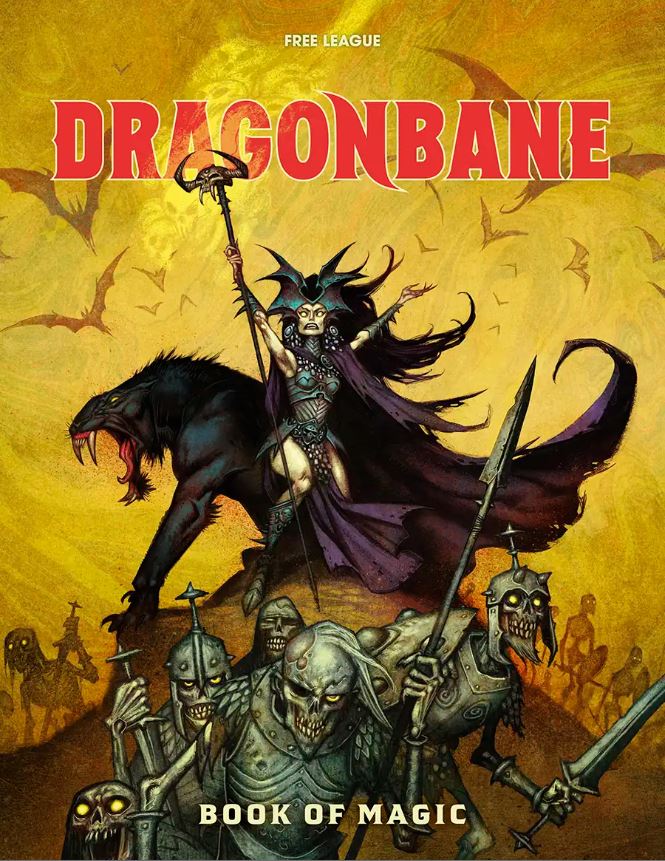
Free League’s Dragonbane world expands with a Book of Magic. Fantasy roleplaying games have been steeped in spells and powers since their beginning, and the world of Dragonbane seeks to revive the mystery and risk of magic seen in those early days.
More recent RPGs treat magic as commonplace, or even a technology that can be mastered and exploited. Dragonbane’s Book of Magic harks back to the magic of folklore and legend when few knew how magic worked and those who did were privy to a plane beyond that of mere mortals.
Magic: Dangerous and Peculiar
The preface and introductions to each chapter in Dragonbane’s Book of Magic feature writings from Brother Dideric Orne’s The True Nature of Evil, a work written with the intention of revealing the uncanny powers of magic hiding in plain sight.
A few counterarguments appear in the book to challenge the view, presenting the complex nature of magic in the Dragonbane world. Many view magic with suspicion, while others see simple illusions as entertainment or treating wounds with magic spells as perfectly reasonable home remedies. Still others treat the study of arcane symbols and mental powers as academic and even spiritual pursuits. This great diversity of opinion fits well with the wide range of possible magics characters may perform.
Schools of Magic
The Book of Magic presents a dozen types of magic organized into schools, expanding far more than the initial five presented in the original rules. Now players interested in building magical characters have plenty of directions to choose from.
They may focus on magic from the senses, such Illusionism—tricking the eye with shadows and apparitions that aren’t there. Or they might want to go a more studious route, with Symbolism or Enchanting—working the magic from signs and materials. Magic-users could connect with nature through Animism or Witchcraft, pair their powers with song through Harmonism, or manipulate the basic forms of matter in Elementalism.
The Book of Magic even presents players with darker magics like Necromancy, Demonology, and Dracomancy, warning that spells and tutelage in these may come at a price far higher than the seeming loftiness of their power.
Leveling Up
Instead of characters adding up experience points and magically knowing new spells, the Book of Magic in Dragonbane integrates learning magic into the gameplay itself. Characters start off with simpler spells, such as conjuring a flame, seeing through the eyes of a nearby animal, or granting special luck so an arrow flies true. These are all skills they may have picked up apprenticing with a local or attending a general magic academy.
To go further, characters will have to find a more advanced teacher and pay for these lessons with treasure and time spent studying. As magic users reach higher ranks, they will have to take on great risk. The Book of Magic names examples of masters in each school, giving suggestions on requirements such as recovering a stolen grimoire for them, assassinating an enemy, becoming an apostle, or simply the difficulty of getting the attention of someone who has reached such high levels in their trade or perspective of the universe.
The rewards for such dedication open up astounding new avenues of gameplay, with characters able to walk between worlds, reorganize matter with a flick of their hands, turn the will of others, command hordes, or defy death itself.
Free League does well in giving precision where needed for the areas that spells effect, or exact bonuses for enchanted items. For the grander spells, numbers become less meaningful than the story itself, allowing for the role-playing to grow into yet more epic tales.