 Blogcritics The critical lens on today's culture & entertainment
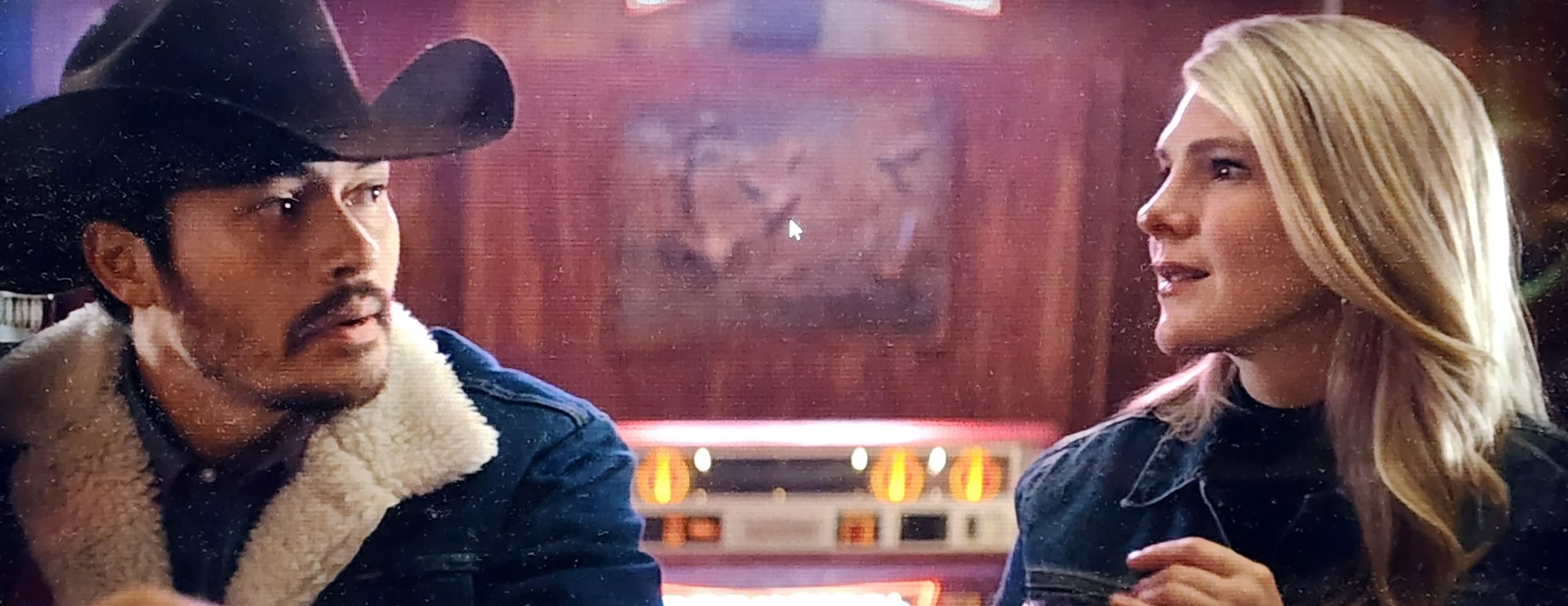
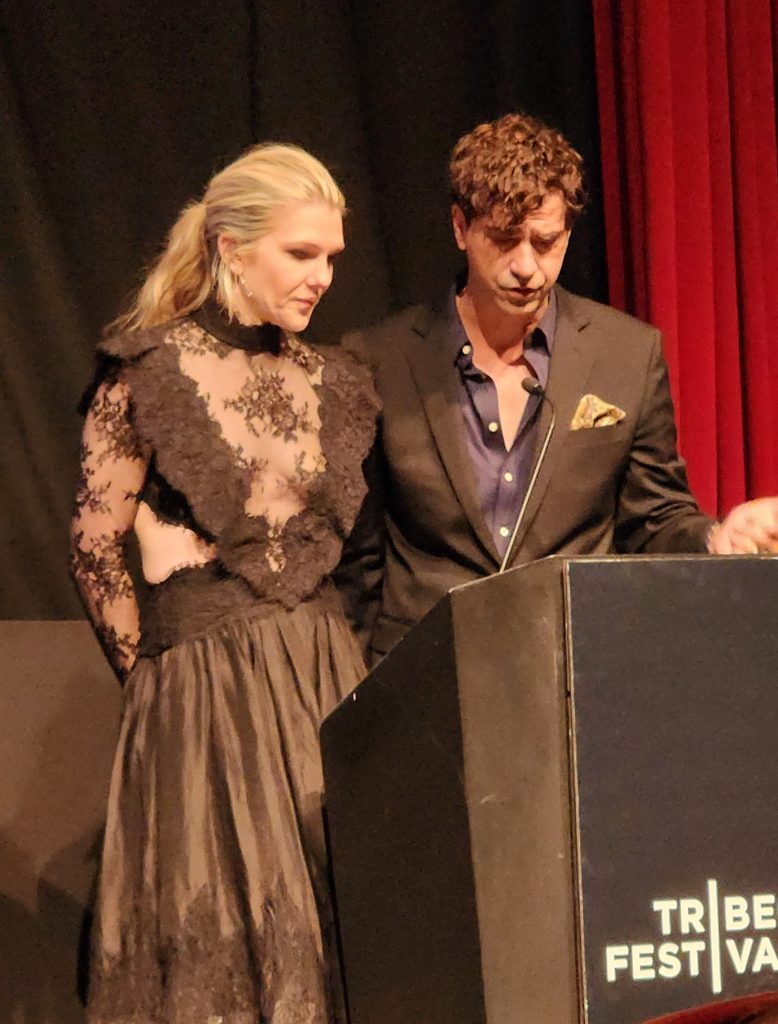
In a joint collaboration of acting, producing, writing and directing, Lily Rabe and Hamish Linklater took on the project of adapting Chuck Klosterman’s 2008 novel Downtown Owl. The film finally enjoyed its world premiere at Tribeca Film Festival 2023. Its interesting scenes convey Klosterman’s quirky characterizations. Through them we note a small North Dakota town’s studied paternalism and acceptance of sexual predation. The isolation, loneliness and lives lived in quiet desperation reflect commentary on the insularity of life in such a town.
Klosterman’s tone, characterizations and atmospherics in the novel charmed Rabe. She convinced partner Linklater to reconfigure the novel into a screenplay. As the film depicts, Owl, North Dakota hasn’t quite crawled into the 1960s, though the time period is 1984 during the Reagan years.
The Adaptation Loses Its Edge
An animated sequence introduces the town, an attempt at lightheartedness and humor. Animation also closes the film. Sandwiched in between, the realistic events and characters skirt the edges of tragicomedy.
However, the adaptation loses its edge in the adjustment from novel to film. Instead of featuring the souls of three of the characters equally, as Klosterman did in his novel, the film highlights Julia Arabia (Rabe), bringing Julia’s wacky, unsettled ethos to the fore. It flattens the angst, beauty and honor of the other characters. Unfortunately, the profound glimpses into the tragedy of people consigned to hopeless resignation redirect from the characterizations.
Thus, Linklater broadens the characterization of Julia, a new resident of Owl who moves there to escape from her dead-end marriage. The film’s action unspools in flashback after we note Julia in a car as the blizzard of January 1984 rages around her. Huddling against the cold, she recalls the events that brought her into the mammoth killer storm to risk her life for a relationship.
In an attempt to redefine herself and gain the courage to separate from her partner whom we never see, Julia teaches for a semester in Owl. Awkwardly, she insinuates herself into small-town life. She adjusts to the principal of her school (portrayed in a brief outing by Linklater). Deftly, she “handles” her department chairperson, Coach Laidlaw (Finn Wittrock), until she challenges him later in the film.
Julia Acclimates to the Small-Town Vibes
Gradually her high school students engage her. Teacher friend Naomi (Vanessa Anne Hudgens) encourages her to go out on weekends and drink. Eventually, Julia devolves into a muddle. She often drowns her anxiety in alcohol and hangovers.
Events move slowly until the subterranean conflicts get underway to the music (selected by T Bone Burnett). The conservative town permits abuses that spawn from double standards about men and women. When Julia teaches the novel 1984, a picture forms of her students and their personal issues.
The action alternates between Owl’s two hot spots: the high school, where the community lives for football games directed by corrupt Coach Laidlaw, and Hugo’s, which provides the other excitement with its alcohol and jukebox music. While Julia hangs out with Naomi, various lonely young men who frequent Hugo’s offer to take her to see ET at the town’s only movie theater. (The hit movie finally screened at Owl a year after it opened elsewhere.) The men convey their lack of sophistication. None of them appeals to her.
However, stars shine in her eyes when the dashing, shy Vance Druid (Henry Golding) drops in for a drink. A former Owl football star, the laconic Druid drinks, ignores her flirtations, then leaves.
The action soars when Julia becomes friendly with Horace (Ed Harris), who, though he doesn’t like to spread gossip, gives her some important tips about Coach Laidlaw. A few weeks later a group of sensitive students (August Rosenstein, Jack Dylan Grazer, and Arianna Jaffier) reinforce Horace’s judgment of Laidlaw. They drive her to Coach Laidlaw’s house and show her the secret that everyone in the town knows and ignores. But instead of acting on the information, Julia whitewashes the truth and numbs herself.
Unconscionable Behavior
Laidlaw’s unconscionable behavior in another time and place would be brought up on charges for verbal and physical abuse. However, the town blinks at the Coach’s behavior and silently points the finger at the girls he preys upon.
Finally, Julia has the courage to stand up to him when he confronts her on another matter. However, though she attempts to use the truth to manipulate him, he comes back at her with full force. Cowed, she backs down. Unable to help her students or herself, and mooning over Druid, she grows desperate and emotionally insular. Finally, her desperation explodes in a phone call to her husband. Rabe’s Julia expresses her hopelessness in an exceptional monologue Linklater has written for her character. Rabe rises to the emotional highpoint identifying the problems that turned her life upside-down.
During various scenes we note parallels between a student, Mitch, and Julia as broken individuals. Mitch’s severe depression about Laidlaw’s abusive behavior and the town wanting him to play football immobilizes him. Criticized by teammates, upset with his cowardice, he backs himself into an emotional corner. The only one who quietly manages to sustain himself in peace is Horace. In one of Julia’s visits to Horace, he introduces her to his bedridden wife. After she dies a week or so later, Horace tells no one, but the town knows. Drowning his sorrow, he drinks from a flask he carries with him. His grief is insular, not shared by the community as if his wife barely existed in the minds of the townspeople.
Back in the present, Mitch, Julia and Horace, caught in the whiteout blizzard, each confront a reckoning. Will they survive or freeze to death willing themselves to live?
Downtown Owl is most striking in its depiction of the small-town environs, its isolated, lonely individuals, and its permissiveness and double standards, with women judged as wanting. The scenic design and characters ring true for the time. The actors bring in fine performances of broken individuals who have lost their way, or never had a way to begin with. Humorous in part, poignant and interesting in how the events unfold, Downtown Owl is unique. However, a driving force that changes the town and its residents, the blizzard, loses importance at the conclusion. Instead, Rabe and Linklater lightly intimate the theme, allowing Julia’s comments about living life to resonate. But that’s OK, after all.
Tickets are still available for Downtown Owl at the Tribeca Film Festival website.