 Blogcritics The critical lens on today's culture & entertainment
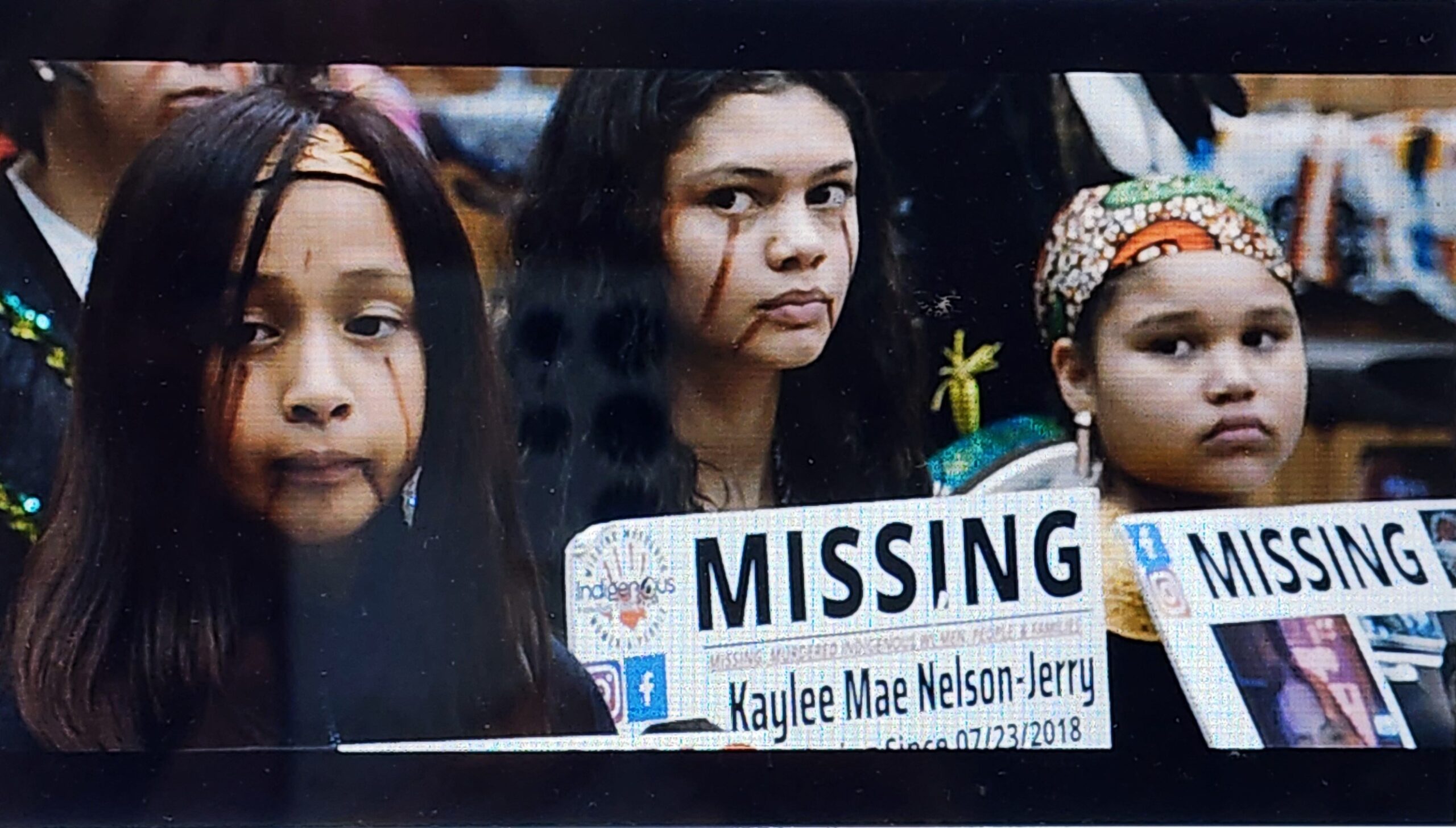
Missing From Fire Trail Road
When Mary Ellen Johnson-Davis first went missing from Fire Trail Road near Seattle, Washington, her sisters notified law enforcement. Knowing that Mary Ellen had issues with drugs and alcohol, the reservation police fell back on their default position: Since there was no evidence of “foul play,” eventually, she would turn up. However, experience affirms that when someone goes missing, searches must begin within the first 48 hours. That’s when individuals responsible are the most vulnerable to apprehension.
In the Tribeca Film Festival “Spotlight Documentary,” the world premiere of Missing from Fire Trail Road, director, author, and producer Sabrina Van Tassel (The State of Texas vs. Melissa) explores the case of Mary Ellen Johnson-Davis. Vitally, she exposes the unlikelihood of law enforcement’s immediate statewide search for Mary Ellen and the reasons why.
Johnson-Davis identifies as an Indigenous woman. Because of complex tribal jurisdictional laws, legal matters are the reservation’s responsibility. For example, arrests of non-natives never occur on reservations because such arrests fall under the jurisdiction of outside county and state law enforcement.
Law Enforcement and Tribal Members Disagree About Non-Native Arrests
The film reveals that law enforcement and tribal members on reservations disagree about arrest procedures. The jurisdictional complexities, members say, have created lawless zones. Predators use reservations as hunting grounds to commit crimes with impunity. As a result, most crimes committed there by non-natives go unsolved. Law enforcement disputes these members’ opinions. The large numbers of missing Indigenous people imply otherwise.
Investigating Mary Ellen’s case, Van Tassel interviews tribal members, reservation police, the FBI working on her case, relatives, a possible suspect, and others. Mary Ellen’s sisters and tribal members speak about abuse and violence they have suffered. Researching the statistics and examining the history of institutional racism and violence by non-natives, Van Tassel is shocked by what she discovers.
Crime Has Reached Endemic Proportions
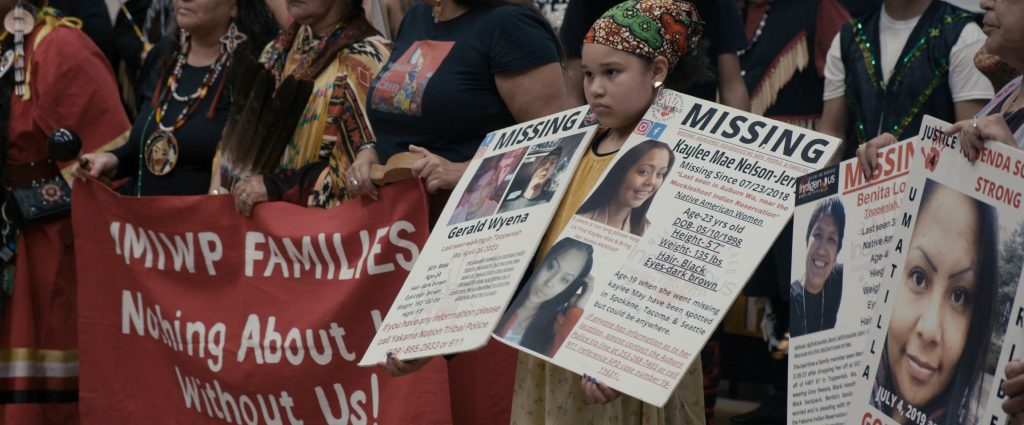
The film shows how tribal members are taking a stand. Searching for Mary Ellen, they assert that the states and federal government can’t ignore the situation of missing women any longer. They petition for laws to change, leading campaigns and protests.
Typically, all bets are off with statewide or national alerts, APBs and speedy action to find Indigenous people, especially women. In an unjust and inequitable ratio of money, power, race and gender, law enforcement’s directed action is unfortunately proportionate. For example, when Mary Ellen Johnson-Davis disappeared from the Tulalip Indian Reservation, law enforcement let family, friends, and tribal members do the heavy lifting. On the other hand, with a report of a missing white woman, law enforcement’s response kicks in immediately.
Johnson-Davis is just one of thousands of Indigenous women victims. The numbers of missing, kidnapped, and murdered women continue to rise. Van Tassel directed her energies toward a documentary with many themes. One involves delay and slow walking. Thus, she notes that for two years, stymied investigators and family searches turned up nothing. The only salient information was Johnson-Davis’ being last seen on Fire Trail Road.
Abuse and Predation of Indigenous Children
In her examination of witnesses, Van Tassel also reveals the abuse and molestation of Indigenous children. For various reasons, social workers have interviewed families, then placed children in non-native foster homes. Van Tassel also discovers that in Washington State historically, authorities placed many Indigenous children in boarding schools. A great many of them, both male and female, died there. Often disassociated from tribal communities, the state never felt compelled to investigate their deaths.
Without attachments to their tribal culture, the children’s education centered around learning English. Sexual predation, physical abuse and torture also took place in the boarding schools and foster homes. Without their tribal community, Indigenous children, treated as objects, experienced displacement, alienation, and emotional and physical trauma.
Vitally, Van Tassel examines this internal dislocation that Mary Ellen and other Indigenous people experienced as children. Abusive treatment by foster “parents” often leads to adult drug use and alcohol addiction. It also often leads to poor choices in relationship building. Without community to enforce values and love, grown-up Indigenous people become lost. Importantly, a connected tribal community determines the health of each of its members. Without support, healing becomes difficult.
Suing the State
Mary Ellen and her sister sued the state for the abuse they received in the foster care system. However, the monetary award the sisters received became a curse for Mary Ellen. According to accounts, Mary Ellen’s husband controlled her money and left her destitute. Indeed, friends and relatives would buy sodas and chips for her because she never had money. When asked about it, Mary Ellen confided that her husband controlled her life. He threatened to beat her if she didn’t listen or obey. Mary Ellen also battled addictions from the trauma she experienced as a child and from her husband who beat her.
Van Tassel urgently examines this profound subject with the hope that reservation laws will change. Additionally, her documentary holds up cinematically and engages its audience, bringing a tone of empathy and compassion for the tribal members and family. With fine editing, the director melds witness statement clips, and intersperses them with cultural tribal tableaus. These inform the audience about the tribal culture. The documentary also includes archived historical photos. Uplifting and hopeful, Van Tassel identifies ways the tribal community works to redirect the dislocations to bring the People together in love to promote a healing environment.
Finally, Missing from Fire Trail Road features activist and indigenous leader Deborah Parker, and US Secretary of the Interior Deb Haaland. Along with Mary Ellen’s friends and family, they bring a gravitas and urgency to this dire situation, as they affirm the moral imperative that laws must change.
To see the film at Tribeca Film Festival, visit the website. After the festval, look for it on streaming platforms.