 Blogcritics The critical lens on today's culture & entertainment
Re-Creation
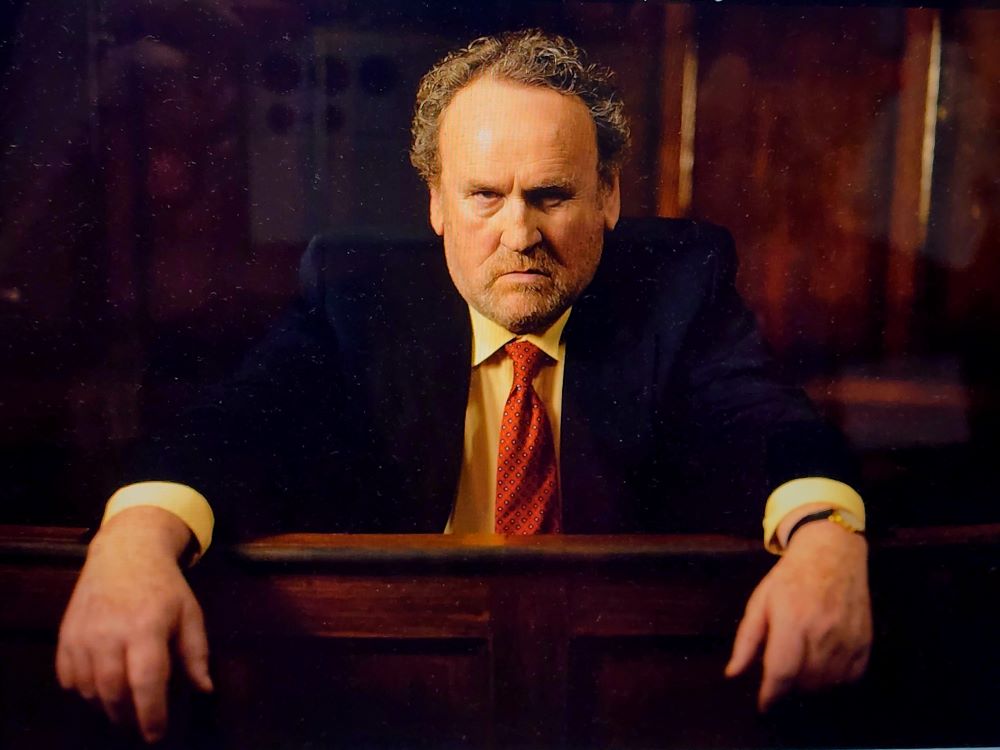
Jim Sheridan introduced Re-Creation, the film he co-directed and co-wrote with David Merriman, at its world premiere screening at the Tribeca Film Festival. Sheridan gave a brief account of his approach to this story based on a real murder, that of Sophie Toscan Du Plantier. Instead of a documentary, he and Merriman fictionalize a jury trial that never took place. The filmmakers ask what would have happened if reason instead of confusion had pertained at the trial of the accused reporter, Ian Bailey (Colm Meaney).
Featured in “true crime” accounts in Ireland and elsewhere, the murder of French filmmaker Sophie Toscan Du Plantier at her vacation home in West Cork remains unsolved. Though Irish authorities investigated British journalist Ian Bailey as a prime suspect, they couldn’t find enough conclusive evidence to try him in Ireland. The French government tried and convicted him in absentia, but failed in its attempts to have him extradited to France.
The Sophie Toscan Du Plantier Murder
In Re-Creation Sheridan (My Left Foot) and Merriman (Rock Against Homelessness) give a nod to one of the finest jury dramas in the canon, Twelve Angry Men by Reginald Rose. But that original fictional drama wasn’t based on a true crime. Re-Creation is. And at the heart of the unsolved mystery of Du Plantier’s death, the film asks what if Bailey had been brought to trial in Ireland?
A Thrilling Hybrid of Fact and Fiction
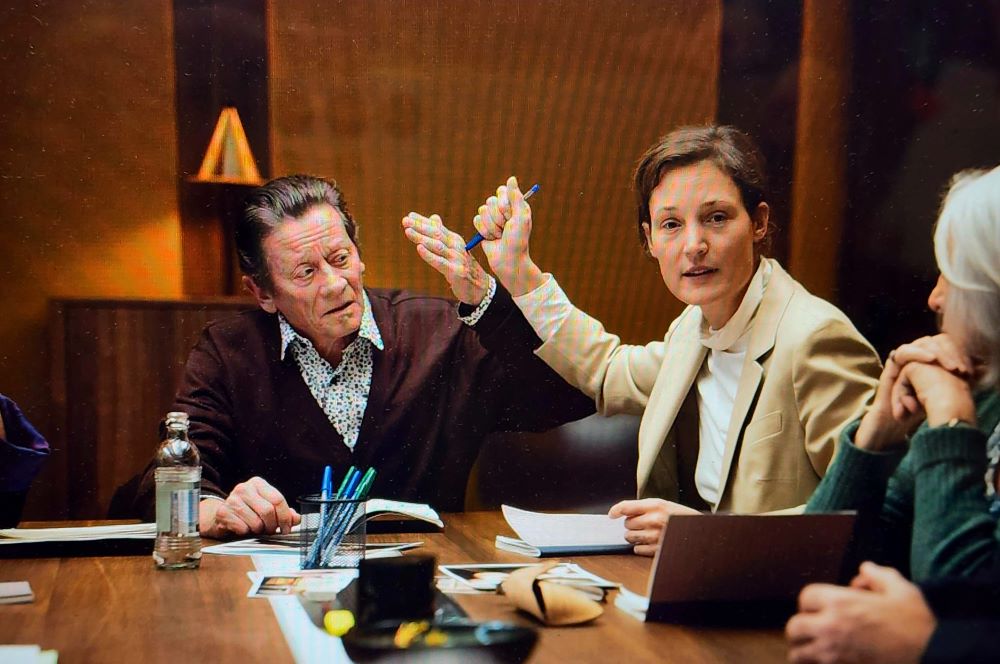
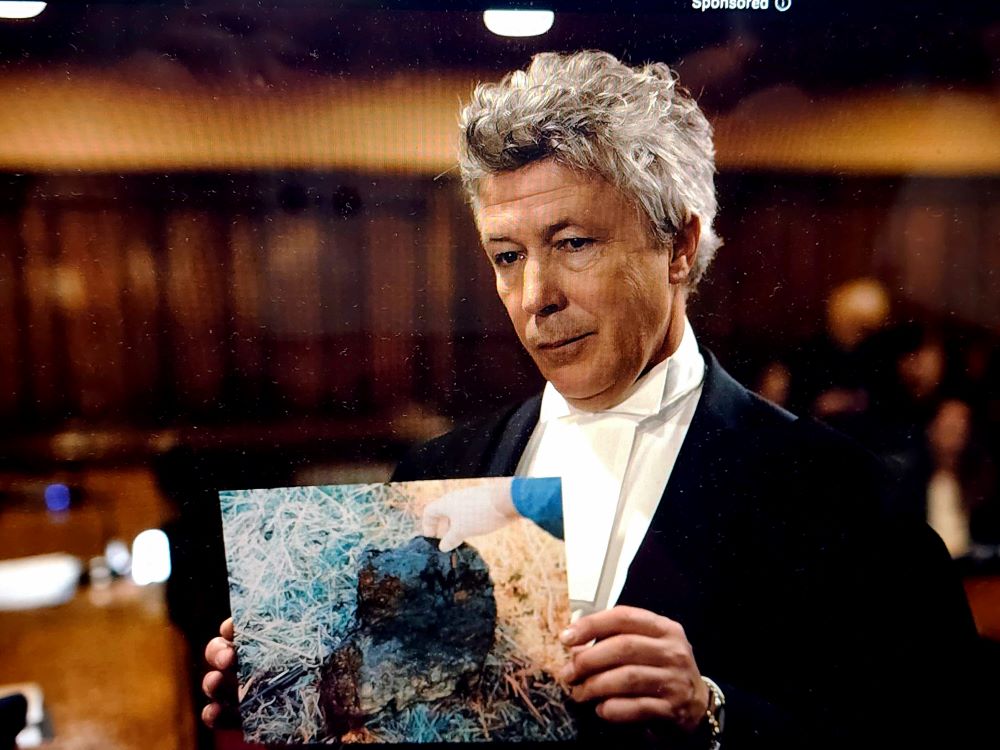
As a fictional jury reviews the facts of the case, they encounter inconsistencies in the real witnesses’ testimonies. As in Twelve Angry Men, one thoughtful juror, Juror 8, portrayed authentically by Vicky Krieps (The Phantom Thread), raises questions and refuses to vote guilty in the initial open vote. The solitary holdout, Juror 8 points out the case’s anomalies and contradictions. When the foreman (Sheridan) holds a second vote, this time a secret one, a second juror sides with Juror 8.
Thus begins the ideal process of what a jury with thoughtful, intelligent individuals examining the evidence might discover. The film uses facts to divine the lack of reasoning behind the assumptions about Bailey’s guilt. One by one the jurors see the light of what they missed before, but there are holdouts. The writers employ a personal element to explain why the holdouts want to convict Bailey.
During the arguments, Juror 3 (an excellent John Connors) forcefully stands up to Krieps’ Juror 8. Throughout the deliberations, others offer their reasons for believing in the accused’s innocence or guilt. In some instances jurors’ personal stories fuel feelings against Bailey. Gradually, they realize the error of their assumptions. Finally, as the other jurors, relentless in their search for the truth, question Juror 3, he confesses his own story.
Our Personal Lives Engender Dangerous Biases
Indeed, an important theme in Re-Creation suggests that we might discover our own personal conflicts at the root of some of our biases and irrational impulses. Projecting these conflicts onto a political situation or a murder trial might temporarily make us feel closure. However, no real resolution occurs. Instead, an unresolved wound continues to fester and draw. The more individuals hide the truth from themselves and project the infection onto others, the more biased they become. That the jurors help bring Juror 3 and others to admit how and why their hurts have evoked their biases is an intriguing device to lead us to understanding. The superb ensemble cast makes these personal confessions spot-on realistic, not hokey or contrived.
The film also reminds us that publicity sells newspapers, TV shows, and in this instance podcasts and “true crime” accounts. Murder brings a brisk business, especially when cold cases go unsolved enabling conspiracy theorists to mine the controversy. At its worst, such conspiracy sensationalism reeks like a corpse, kept alive for the money, not for truth-seeking. That Sheridan and Merriman attempt to restore rationality to a murder that shocked Ireland and disturbed France is laudable.
Re-Creation acutely shows us controversy raised for controversy’s sake. Also, it centers reason, substantiated facts, and science as the best measure by which to form opinions. It asks that we question our own deep emotional biases and festering wounds. It reminds us to check ourselves before we would project onto others our own hurts and jump to conclusions.
Re-Creation screened at the Tribeca Film Festival 2025. Look for it on streaming platforms..