 Blogcritics The critical lens on today's culture & entertainment
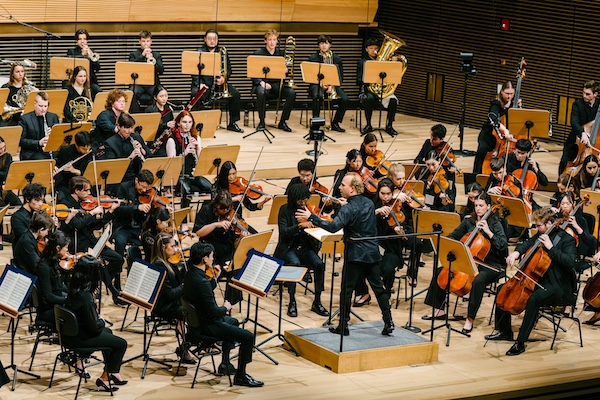
The Curtis Symphony Orchestra
Just two years ago the Curtis Institute of Music launched its first record label, Curtis Studio, with a recording by the Curtis Symphony Orchestra, comprised of music students on their way to successful careers. A second Curtis Studio release presented pianist and Curtis alumna Michelle Cann playing music of African American composers Margaret Bonds and Florence Price.
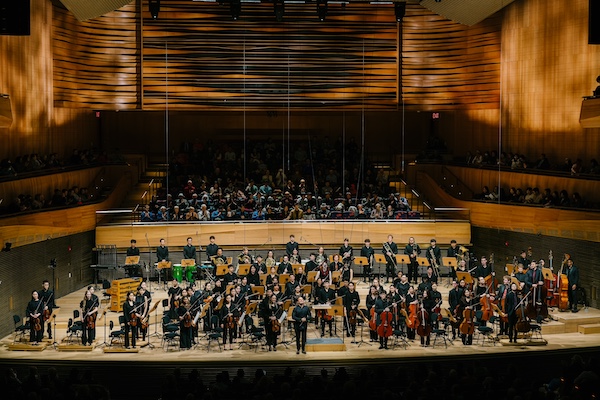
Another Curtis milestone took place on Sunday, when the Curtis Symphony Orchestra led by Yannick Nézet-Séguin made its Lincoln Center debut – with more music by Florence Price, her Symphony No. 1. Also on the program was a piece new to me by British composer Samuel Coleridge-Taylor, whose music, like Price’s, has experienced a revival as the classical music establishment begins giving historically marginalized Black composers their due. Dvořák’s Symphony No. 8 rounded out the program.
Samuel Coleridge-Taylor and Florence Price
In some ways student musicians give the best concerts. Fresh from hearing Charles Ives expertly performed by Bard College’s The Orchestra Now last week, I found myself at David Geffen Hall snapping to attention at the jaunty and swinging rhythms of the Ballade in A minor by Coleridge-Taylor. Conducting fellow Benoit Gauthier led the orchestra in a crisp and rousing performance of this optimistic (and substantial) one-movement piece, sailing smoothly between alternating time signatures and moods bright and lyrical.
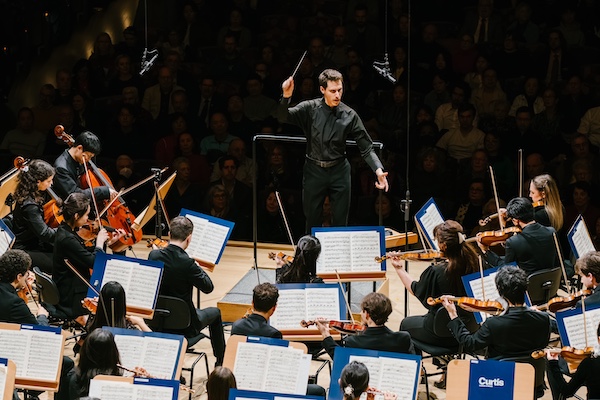
Maestro Nézet-Séguin took the podium for the Price symphony. I couldn’t help noting how Price’s use of folk and blues themes and rhythms both contrasted and resonated with Ives’ very different way of using folk, religious and popular music in his groundbreaking compositions, which were still jangling about in my head after hearing The Orchestra Now last week. With Ives, much of it is about disguise and surprise. Price integrated her source material more organically, and that’s part of what makes her music so appealing.
The first movement includes sweeping orchestral passages and soft and precise solo melodies. It requires, and received, fine work from the woodwinds in particular. In the second movement Price reverses the direction of the anapaestic rhythms, from a rise to a fall. This “Largo, maestoso” combines a moving brass chorale with the blues. Nézet-Séguin crafted sweetly tempered dynamics here.
The pentatonic melodies of the third movement brought to life a Florence Price trademark, the West African juba dance, celebrating the preservation of West African culture in the Americas while reminding us of the ingrained legacy of slavery. It’s interesting to compare the careers of the British Coleridge-Taylor, widely recognized during his lifetime, and Price. despite becoming in 1933 the first Black woman to have a piece performed by a major orchestra, she was largely ignored for much of the 20th century and into the 21st until the revival of the past decade.
Dvořák and a Red-Hot Finish
The “Presto” Finale also seemed danceable and sent us into intermission with positive energy, which carried over into a spirited account of (and reception for) the Dvořák Symphony No. 8. Some rhythms and accents lacked crispness in the first movement, but the ensemble seemed to quickly reassert confidence and precision. Flawless work from the lead French horn didn’t hurt. The “Adagio” second movement had a pristine ballet-like air, broken by a towering dramatic interlude that provided a thrill.
A folksy third movement led into the trumpet fanfare that introduces the finale, with its variations on an again folksy theme. Full of spark and mischief, the Curtis Symphony’s performance of this exciting music under the baton of Maestro Nézet-Séguin featured a captivating flute solo and a red-hot finish.
The Curtis Institute of Music is celebrating its first 100 years. Its symphony orchestra showcases the impressive amount, and level, of talent in its student ranks. More information and a performance schedule are at the Curtis Symphony Orchestra website.