 Blogcritics The critical lens on today's culture & entertainment
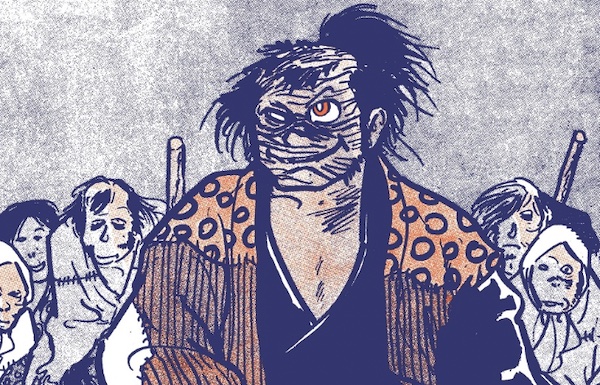
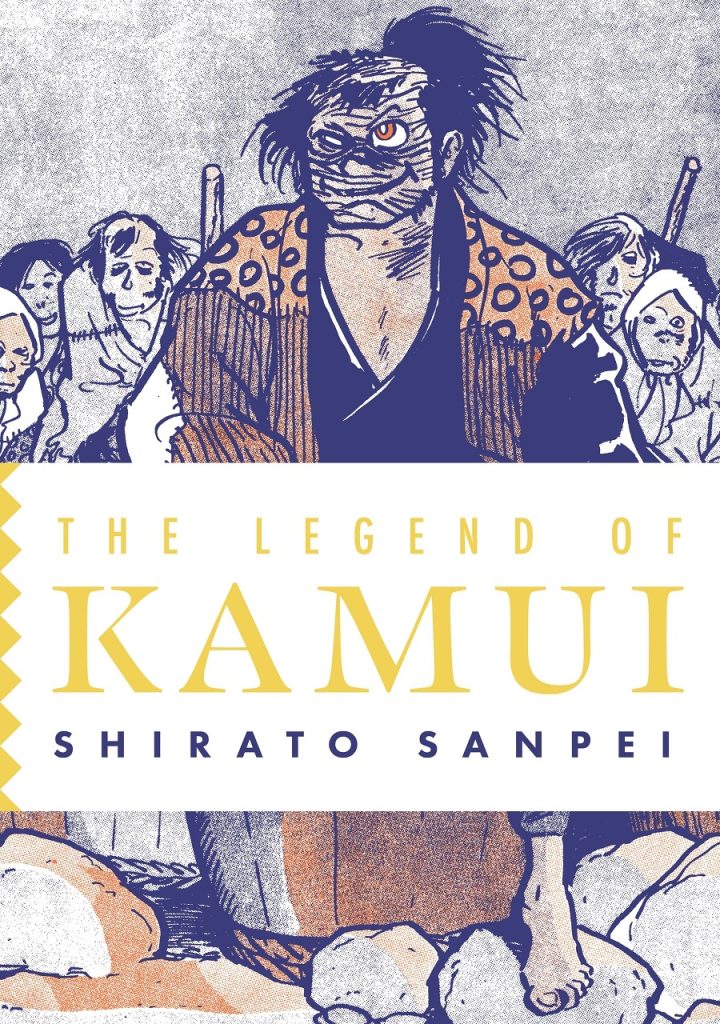
The Legend of Kamui: Volume Three by Shirato Sanpei, published by Drawn and Quarterly, continues an epic tale that changed manga forever. As the genre’s readership grew older, artists like Sanpei created more mature works that kept the action and adventure of the earlier work while also including adult themes and social critique. Sanpei also teaches, showing historical context and adding footnotes that explain the social systems of medieval Japan. The stories thus educate readers not only about the past but about what we should know about our present.
From its first volume, The Legend of Kamui has been an examination of social order. The huge cast of characters come from across the social spectrum, from royalty to local leaders to samurai to farmers to outcasts who do the worst tasks and are unable to own land. Much of the conflict comes from a lack of understanding among the classes.
The third volume opens with the “Pheasant Tax,” the duty of the local lord to hunt pheasants to be sent to the royals. It seems to the royals that anyone who does not contribute by simply catching some birds is lazy or rebellious. That puts great stress on the lords to not lose face.
However, in practice, farmers must sacrifice time that could be spent in their fields to catch the pheasants, while mountain villages, where there are no pheasants, must pay money to buy birds to send on. The strain on the citizenry is obvious, but it’s all part of the accepted order – even though that is beginning to crack.
The Cracks in Society
Shosuke, a major character, is elevated to farmer through extortion and his own cleverness. Granted some fallow fields in exchange for keeping secrets, he shows hope for farmers and outcasts alike, pulling help from friends among both as he rushes to prepare the fields for crops. His ingenuity improves the lives of all around. He builds outhouses for the outcasts, who no longer must use the river as a toilet; this also supplies fertilizer for the worn soil.
With Shosuke’s success, however, samurai and lords grow suspicious that their own positions, long secured by pitting the farmers and outcasts against one another, may be threatened.
Disgraced Ryunoshin faces his own arc. Attempting vengeance to restore his position leads him to an even more dire situation, hiding among outcasts and being arrested as a thief. Sanpei shows details of the prison system of the day, explaining in notes how some prisoners are given better treatment when they keep others in line. The story shows how important it was to smuggle money into prison for bribes to ensure a high enough position, such as the practice of tsurukoshi – swallowing coins to use for later bribes.
After a prison riot, the story turns to show how new ways of mercantilism and capitalism with bold schemes to make money are revolutionizing the economy, another indication that the structures that have lasted for generations are fading.
Kamui himself is on the periphery of society, a wild child finding his way as a ninja. Even within an organization where murder is frequent, there are rules, and Kamui struggles to follow them when the call goes out for his own teacher to be assassinated for disobedience. Paired with him are stories of another Kamui, the white wolf, who is alienated from the pack because of his differences. He wins a position with dominance, but it’s temporary since animal packs are just as fickle as human society.