 Blogcritics The critical lens on today's culture & entertainment
A partial shutdown of the federal government began at midnight, December 22, 2018, and continues as of this writing in late January 2019. It began because Congress and the President hadn’t finalized seven of the annual appropriations bills funding federal government operations, or as an alternative, a continuing resolution (CR) to keep those parts of the government running while work proceeded on the incomplete appropriations measures. The five appropriations measures that were passed by the October 1, 2018 start of Fiscal Year 2019 provided about 75% of total federal appropriations.
To keep the rest of federal operations running, a stopgap CR was passed to extend funding through December 21; two days before that deadline, the Senate passed a further extension through February 8. The next day, the lame-duck House of Representatives also passed it, adding a White House-sought amendment providing almost $5.7 billion to cover construction of walls on the southern border. But the Senate couldn’t muster the 60 votes needed for passage of the House-made change, and a stalemate resulted when President Trump insisted he wouldn’t sign a CR lacking funds for a border wall.
Nine Cabinet departments are affected by the partial government shutdown, including the Department of Justice and its sub-agencies, such as the Bureau of Prisons (BOP). The shutdown directly affects around 800,000 employees of the federal agencies whose funding had not been approved as of December 22, 2018.
Out of these, according to estimates by the Senate Appropriations Committee’s Democratic staff, about 380,000 employees classified as non-essential are being furloughed (told not to come to work) while the shutdown continues, and about 420,000 will be required to work, but will not be paid until the budgetary impasse is settled.
The essential difference between employees who are furloughed and those working without pay (they missed their first paycheck on January 11) is whether they hold jobs related to national security or perform essential duties protecting life and property. Among BOP’s 36,000 employees, more than half have been furloughed, primarily those providing inmates with therapeutic programs or performing other services deemed not “essential.” Another 16,742 will remain on the job but won’t receive their pay until the shutdown ends.
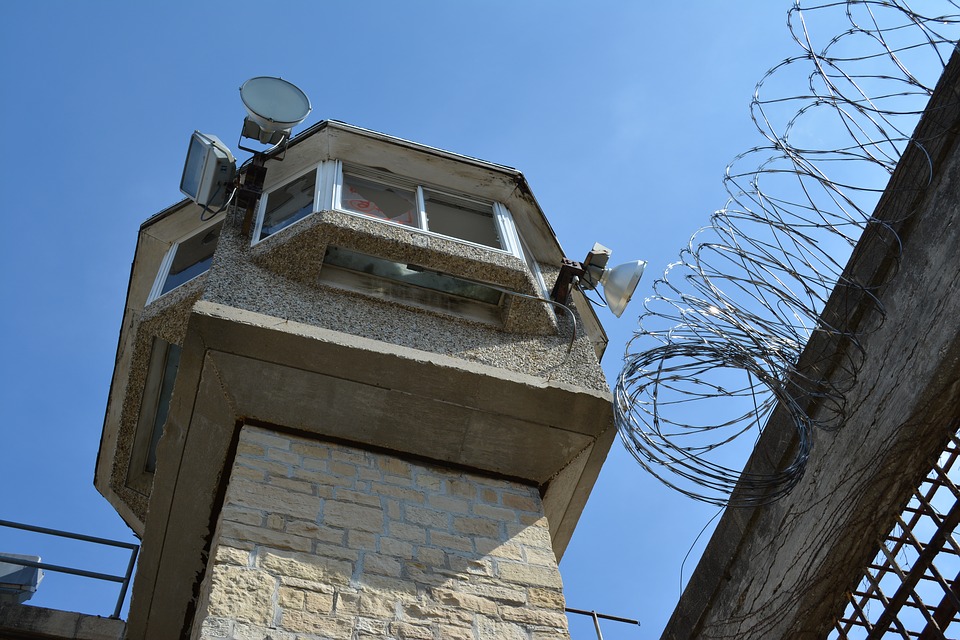
Even before the shutdown, unions representing federal prison employees complained of dangerous understaffing at many correctional institutions (and that was also before some federal prisons were recently assigned new immigration-related tasks). Press accounts and inmates’ emails reveal a variety of problems inside federal prisons.
A Washington Post survey of union officials at 10 federal prisons found correctional officer absenteeism has at least doubled since the shutdown began, resulting in more frequent double shifts or persons in other jobs filling in for correctional officers. At some facilities, inmates’ holiday visits from family members were cancelled, and terminally ill inmates found their compassionate release dates delayed.
Further, the shutdown may mean fewer mental health staff and programs in high-security locations, and delays in coming up with new standards required by the sentencing reforms in the recently enacted First Steps Act.
Christopher Zoukis, author of Federal Prison Handbook, Prison Education Guide, and College for Convicts, is the Marketing Director of Brandon Sample PLC. He can be found online at https://sentencing.net, https://compassionaterelease.com, and https://clemency.com.