 Blogcritics The critical lens on today's culture & entertainment
The Mastermind
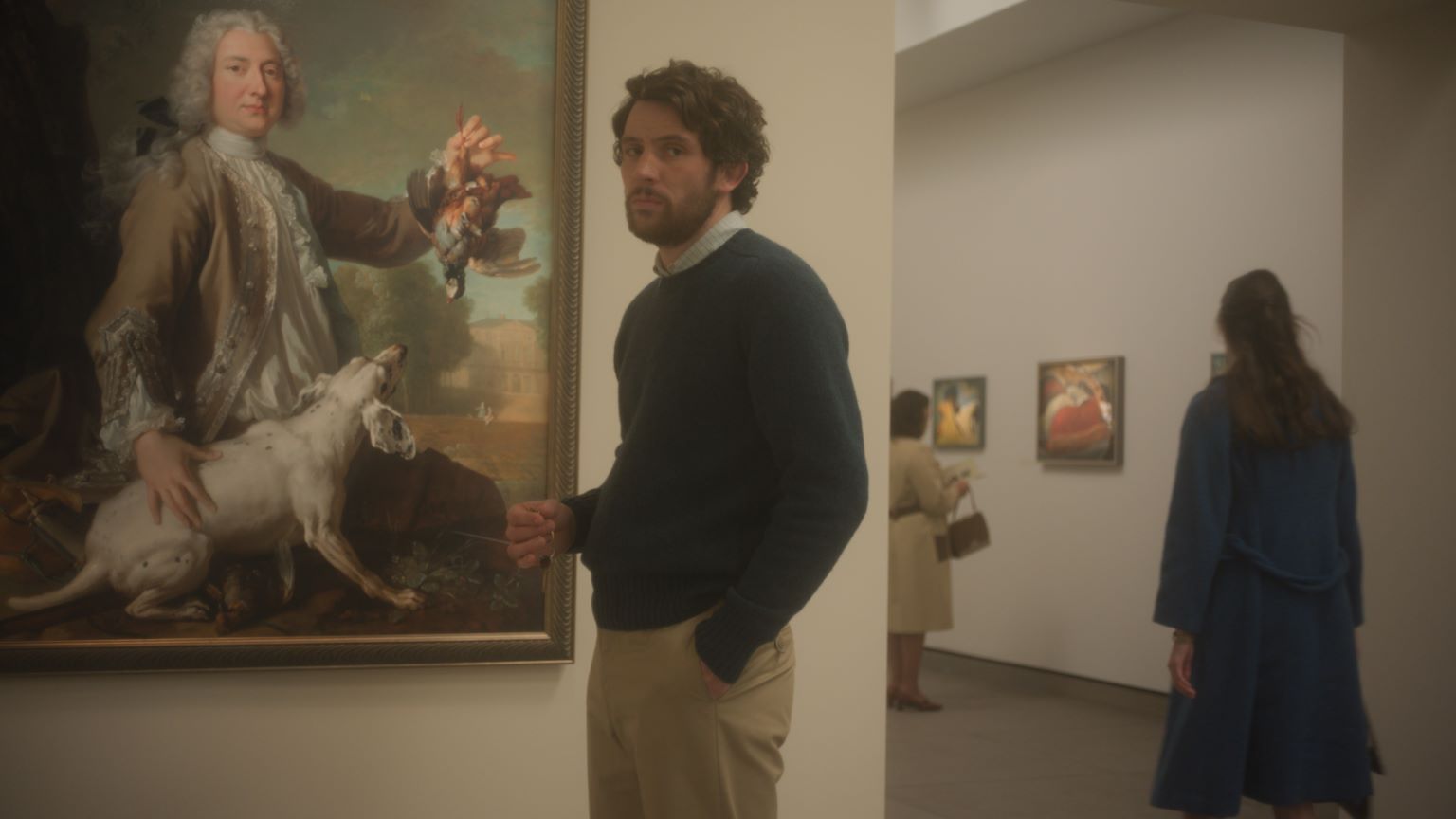
In Kelly Reichardt’s film The Mastermind, an art thief heists unremarkable works, only to have cops mistakenly arrest him for protesting the Viet Nam War. Not only does this amateur thief falter out of the gate, he runs in the wrong direction. No wonder our antihero of this anti-caper keeps us anticipating the next boneheaded move he surely will make. Through the surprising script, and through Josh O’Connor’s charming, empathetic and clever portrayal of JB Mooney, we follow this failed art thief through every move toward a tragicomic end.
In Reichardt’s ironically titled Nixon-era film, the tone, atmosphere and frumpy period sets exude drained energy, hopelessness, and cultural collapse. Immersed in the faded past, we watch JB fail spectacularly at all he attempts. We understand that his grandiose plans and his assumptions about his own cleverness may snare him. Yet, we still cheer him on. After all, he bucks the system, a prevalent ethos of that time.
Out of Sync with His Life and Times
As a matter of fact, his motive for lifting paintings from a local museum doesn’t stink of noble, rebellious, counter-cultural activism. He does not want to make a statement. No. He intends to make a killing by selling the paintings to a fence. In fact he tells his wife he did it for her and the kids, after one of his team confesses and investigators plaster JB’s photo as the mastermind all over the newspapers, leaving him nowhere to run or hide.
Without a steady, well-paying job, relying on his working wife and handouts from his mother and his retired-judge father (Bill Camp), JB rides a downward slide before his crime. After one bad decision after another, and after much goes wrong during his comical theft, we see him heading toward rock bottom. Most probably he will lose the only good things in his life, those he allegedly committed the crime for, his wife and two sons.
JB Doesn’t See Himself Coming
Though the social and political structure indeed oppresses him, which Reichardt implies with Nixon-era backdrops (TV programs, war protests), JB is too deluded to see the forest for the trees. Nor does he see his own demise coming. Any awareness and self-reflection he does have comes too late. He considers that he made the wrong decisions only after every door was shut in his face, as when both his wife and mother won’t give him any more money.
As we wait for JB to redeem himself, every avenue dead ends. Indeed, the only way out is Canada, his friend suggests, because the Canadians wouldn’t charge him for the crime. Once again, JB selects the loser’s way out in an unwitting act of masochism. Instead of turning opportunity to advantage as many cross the border in protest of the war, JB stays in the U.S. And how Reichardt spins this into an ironic conclusion fits the character and the situation with sardonic, unrelenting humor.
An Excellent Jazz Score
Undergirding JB’s haplessness, Reichardt includes a superb, fast-paced jazz score which propels the action and pulses with excitement and adventure. But it’s adventure that converts to horror as JB’s ideas never pan out because he never imagines scenarios other than the perfect image in his mind.
The Mastermind humorously operationalizes Murphy’s Law: Whatever can go wrong will go wrong for JB. The jazz riffs provide the comic flourishes to JB’s mundane mistakes that, like dominoes, lead to the toppling of himself and his haphazard, ill-chosen team. The Mastermind encapsulates that time of our country’s failures through JB’s pitiful attempt to prove himself a winner. In so doing it implies a parallel to our current time.
Tickets, including pre-screening rush tickets, are available on the New York Film Festival website.