 Blogcritics The critical lens on today's culture & entertainment
The Long Journey to Amsterdam
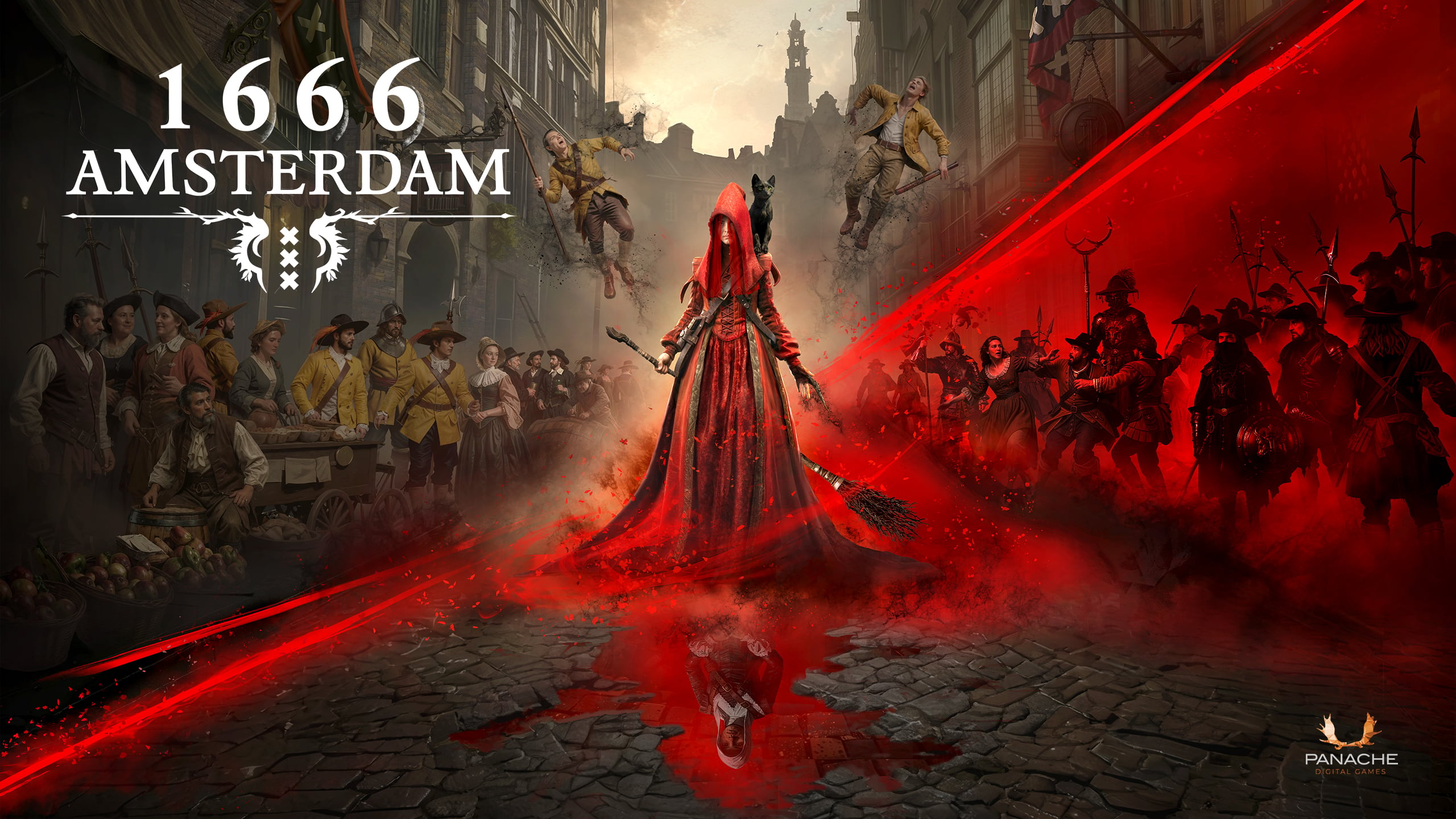
Few upcoming releases arrive with as much intriguing industry history as 1666: Amsterdam. It was conceived over 10 years ago by Patrice Désilets, the creative director behind the original Assassin’s Creed and Prince of Persia: The Sands of Time. The project became notorious following a turbulent legal tug-of-war with Ubisoft over its creative rights.
Years after reclaiming his intellectual property and establishing Montreal-based Panache Digital Games (the team behind 2019’s unconventional Ancestors: The Humankind Odyssey), Désilets has finally brought his long-dormant vision to life. Having spent time exploring the Early Access build on PC, I found 1666: Amsterdam to be an unexpectedly radical action-adventure game that undeniably shares Assassin’s Creed heritage yet ventures into such esoteric, strange territory that it resists easy classification.
Three Eras Tied Together by Bound Spirits
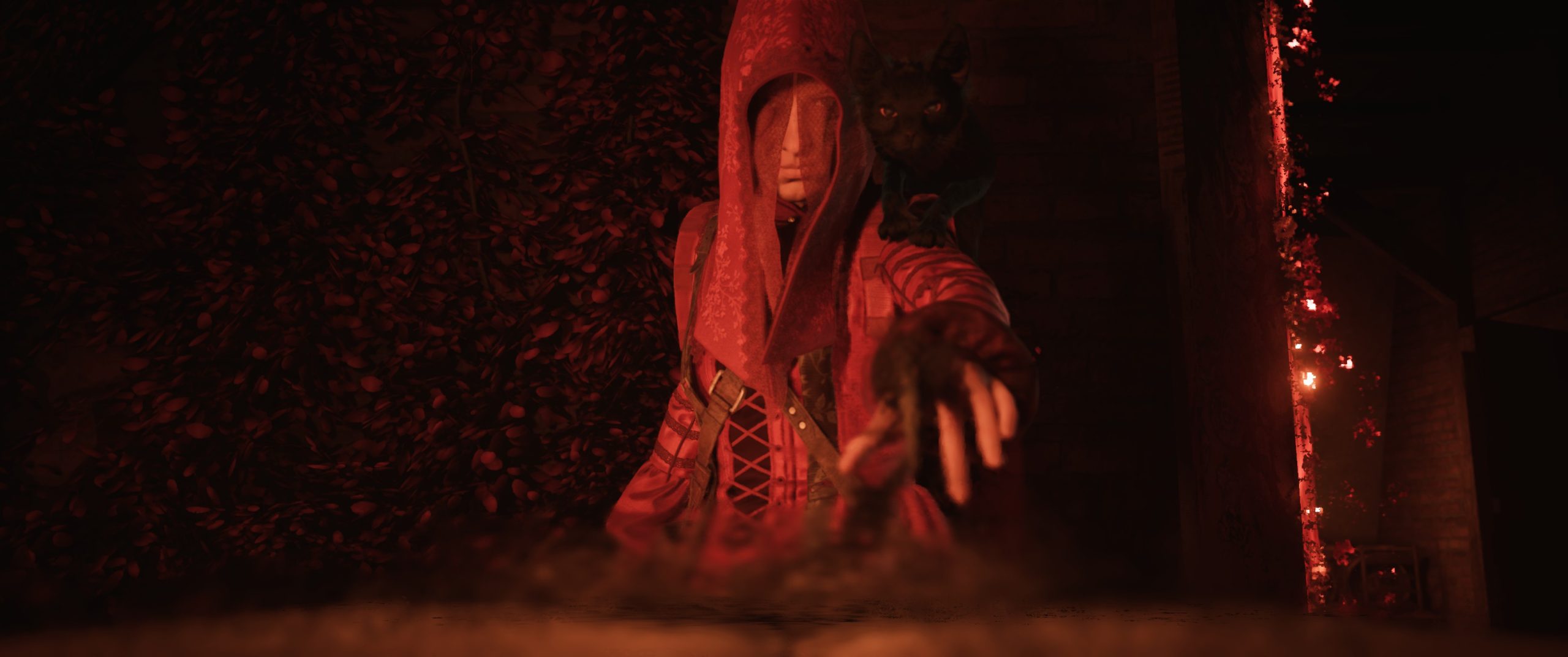
Attempting to neatly summarize 1666: Amsterdam is a challenge, as its narrative spans three interconnected time periods. My playthrough centered primarily on 1666 Golden Age Amsterdam, where I stepped into the role of Noa, a Zaindaris known as “The Collector” tasked with hunting down The Originals, ancient, malevolent entities inhabiting influential figures across the city. To reclaim their energy, Noa must identify them and confront them during a monthly full-moon ritual called the Esbat.
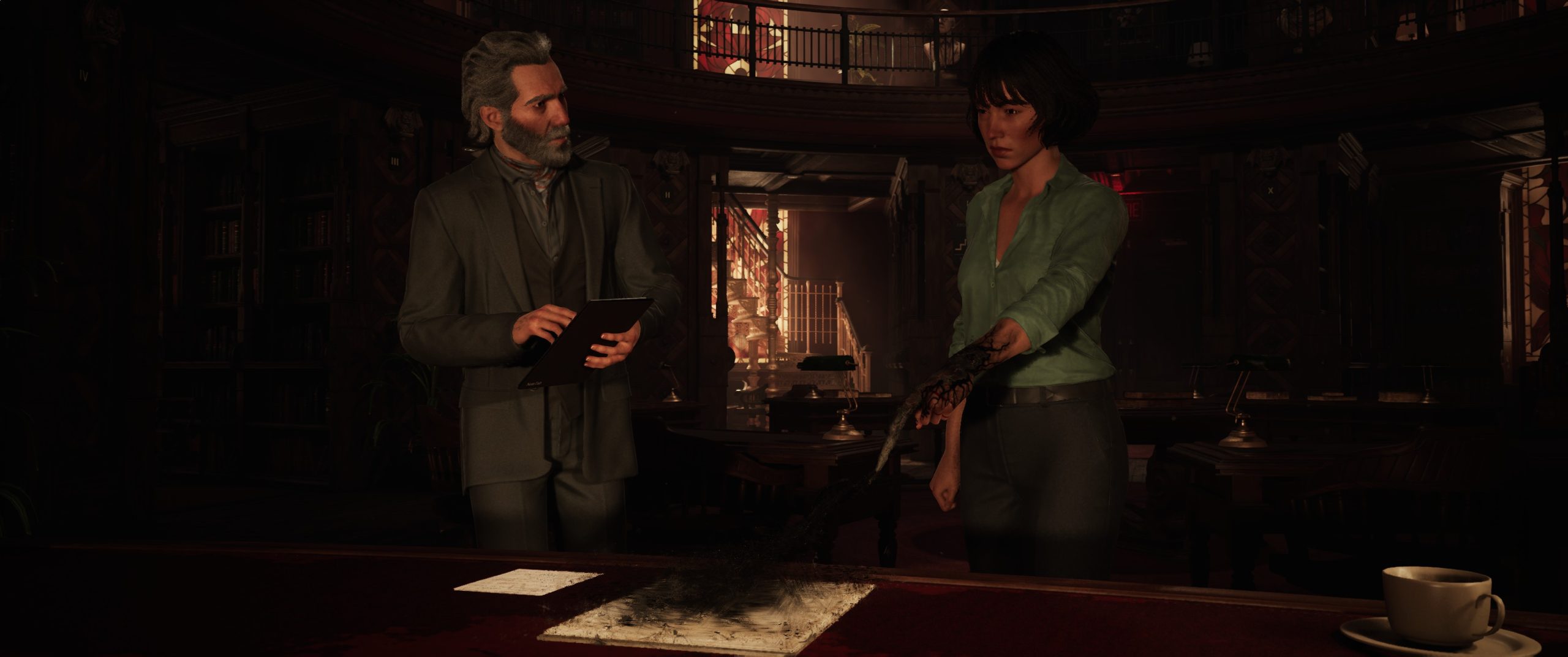
The story occasionally jumps across different timelines: late 1999, following a young historian named Aaron drawn into Noa’s world via an occult ritual, and the modern day, where Aaron’s daughter Clia examines manuscripts and historical records to uncover her family’s dark past.
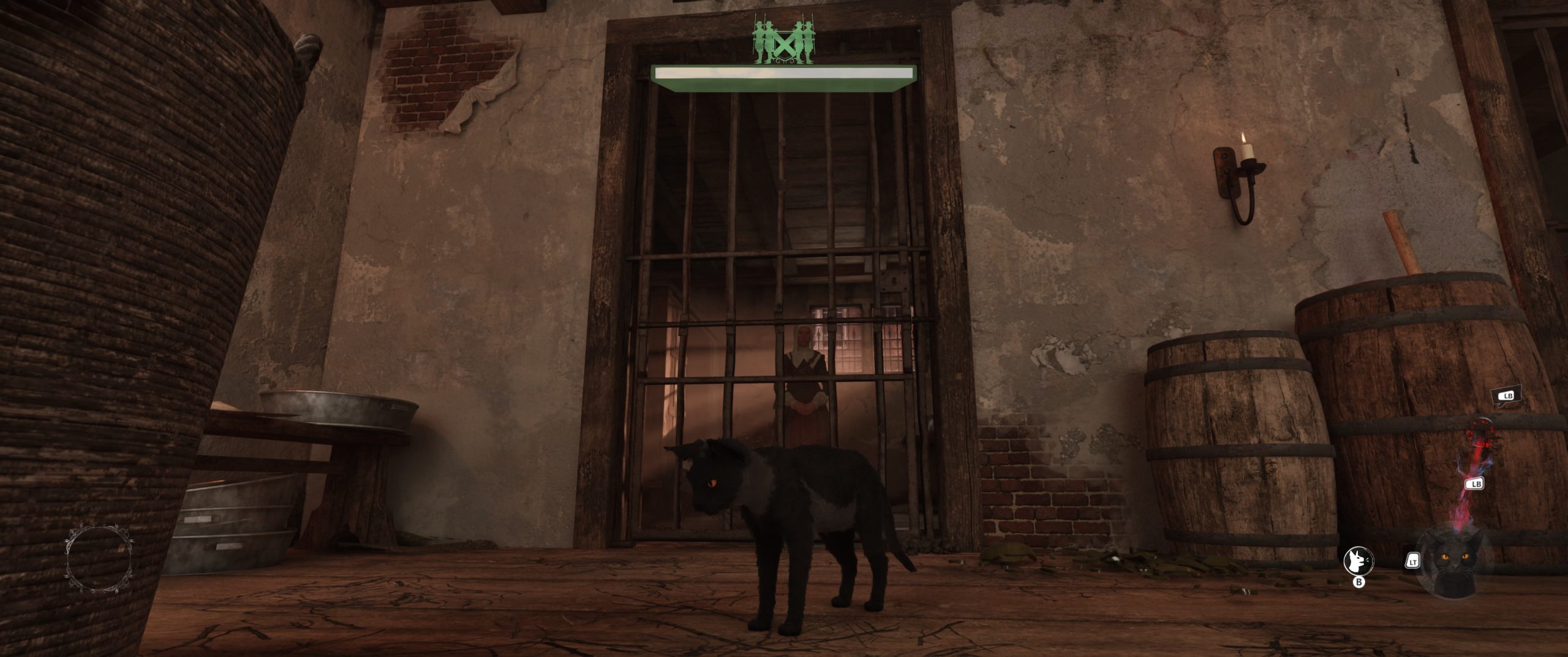
Threading these eras together is a spiritual bond Noa forms with a cat early in the game. Although selecting the cat’s affinity is purely cosmetic and doesn’t change the plot, the animal serves as an indispensable bridge between time periods. Aaron’s spirit takes over the feline in the 1600s, while Noa projects her consciousness into the cat during the 1990s to help Aaron bypass obstacles, slip through grates, and unlatch locked doors.
The 1666 Sandbox: Investigation, Alchemical Craft, and Stealth
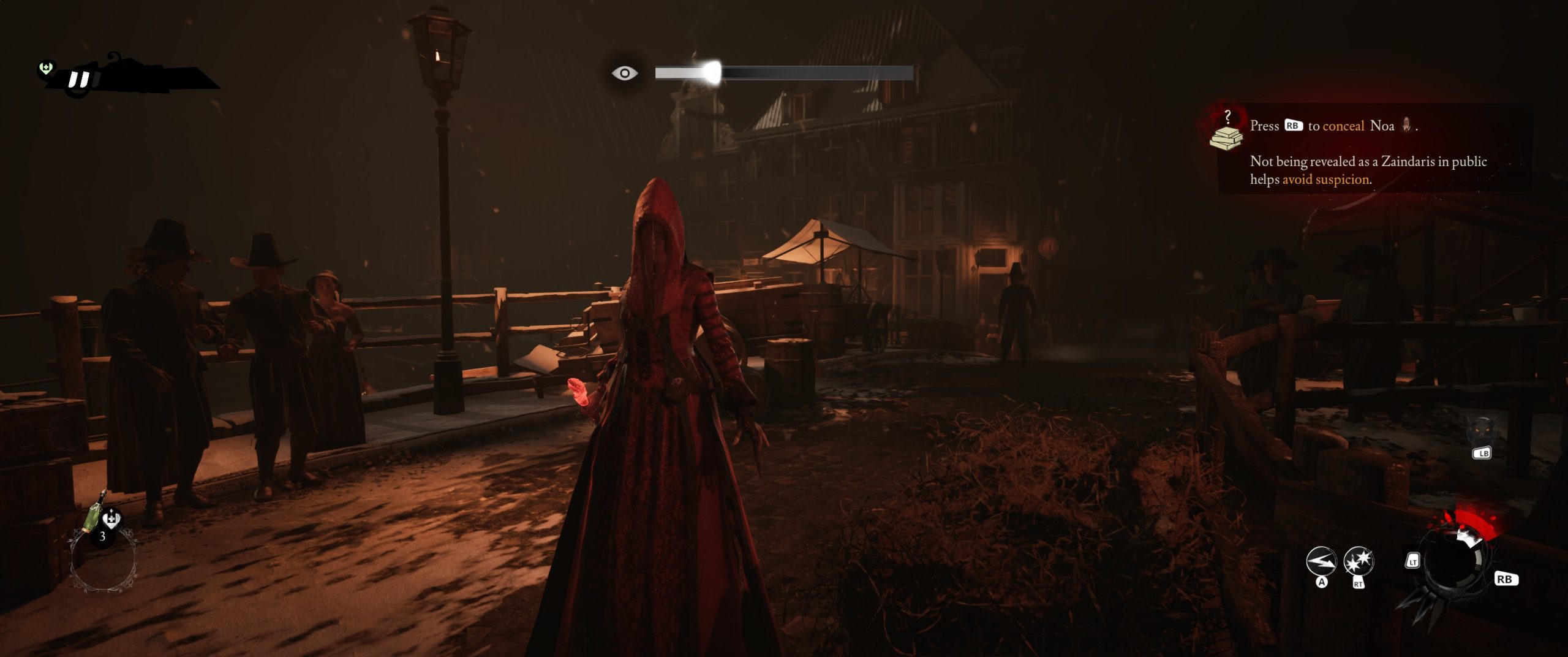
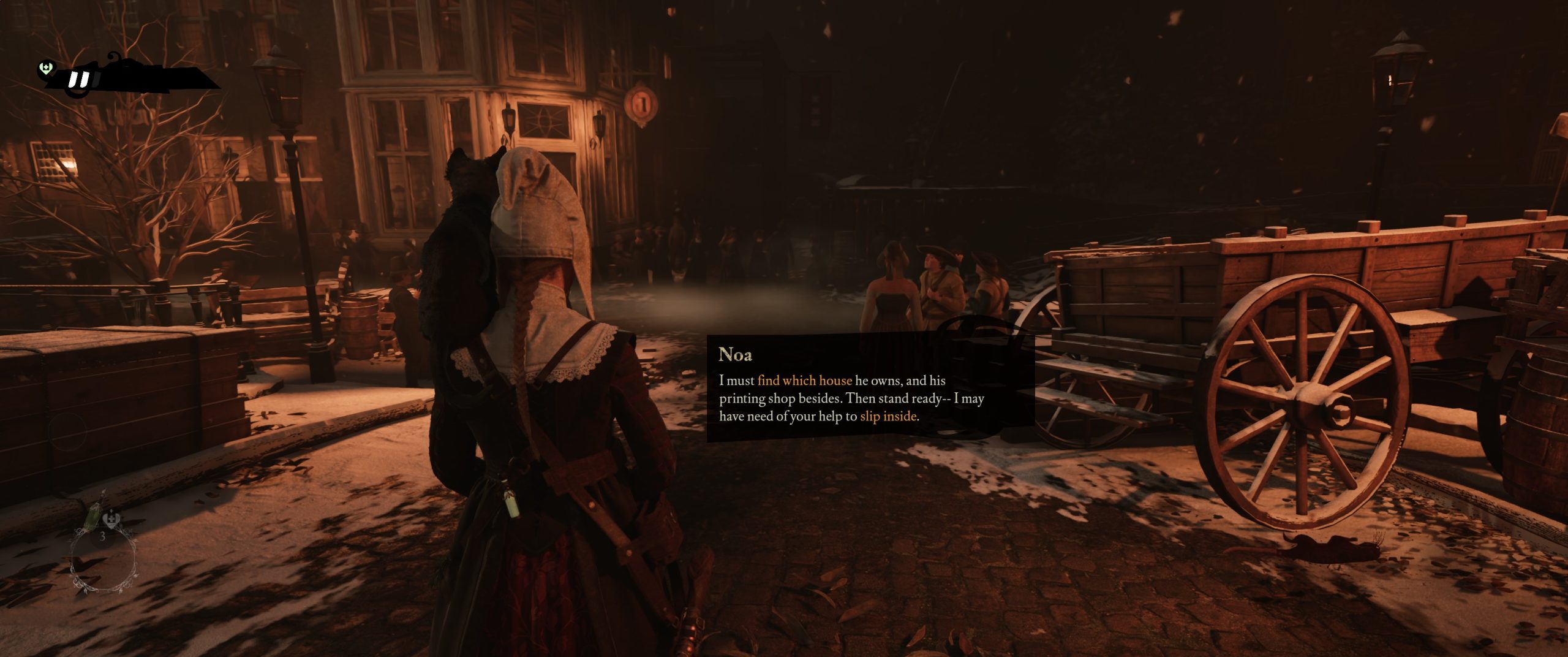
Like most multi-timeline stories, one era easily stole the show for me: the titular 1666 era. When I was controlling Noa in the 17th century, the game became a surprisingly open-ended sandbox where I spent hours snooping through private residences, searching chests, and gathering evidence to identify possessed citizens.
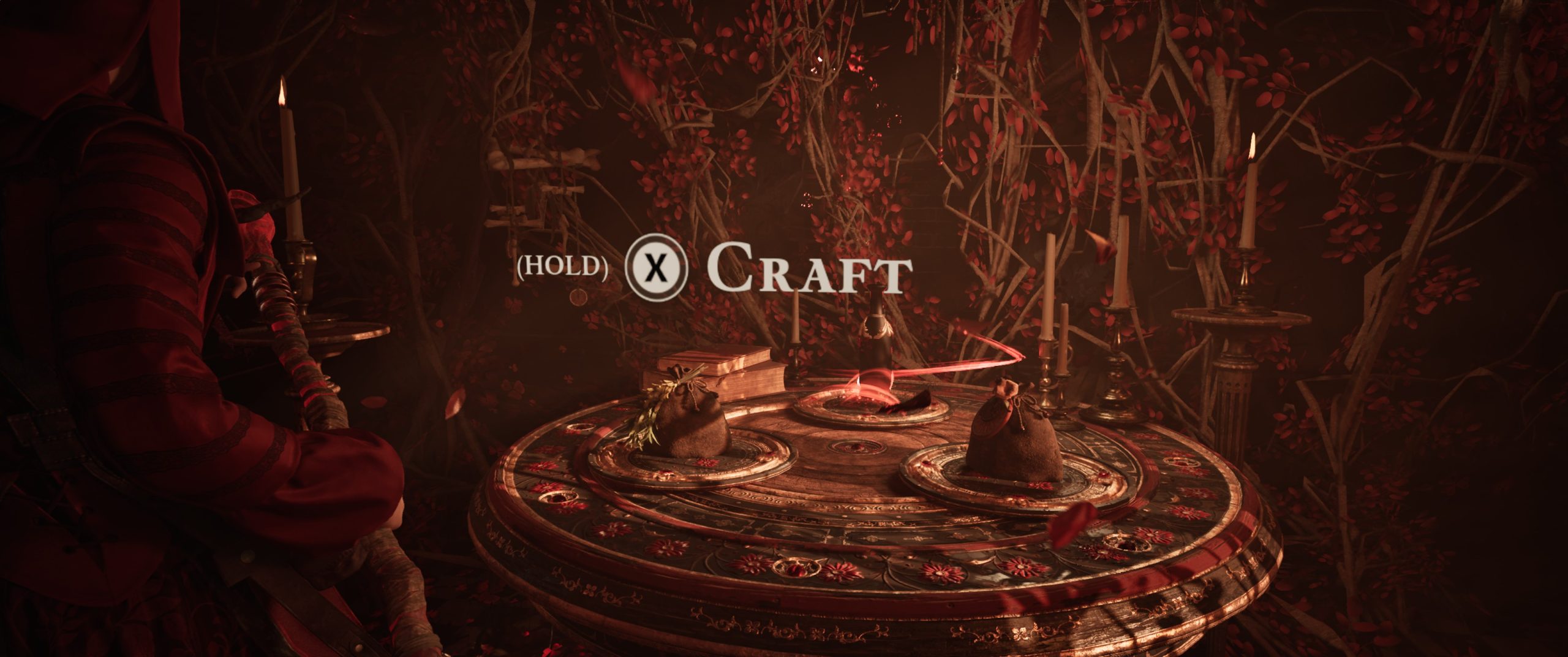
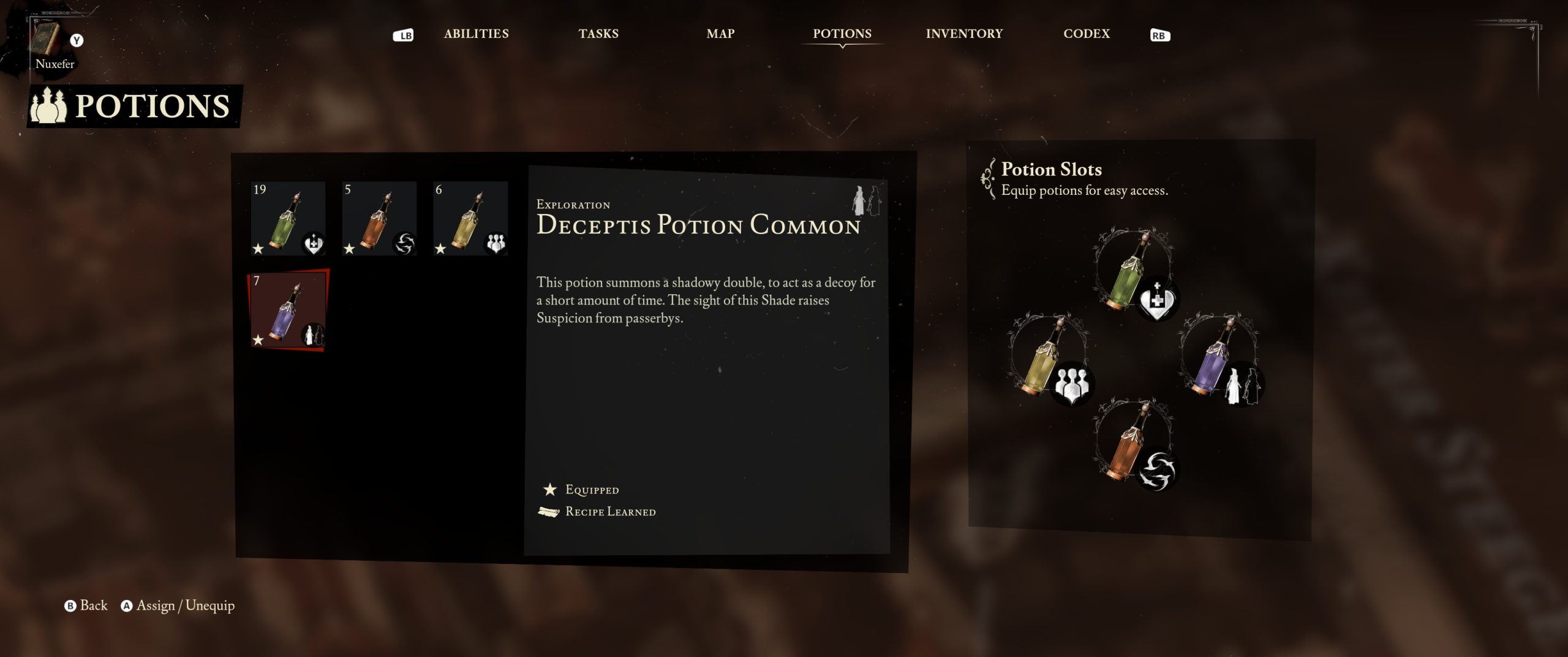
As I explored, Noa alternated between her civilian appearance and her powerful full Witch Form. Exploring others’ homes and offices comes with significant risk, requiring me to use the cat for distractions or brew alchemical potions to lower suspicion. Searching houses rewarded me with ingredients to brew utility potions, uncover new recipes, and find jewelry that alters and upgrades Noa’s abilities.
I found the exploration loop to be surprisingly deep, demanding careful observational to uncover hidden wall compartments, trace local rumors back to influential people, and manage my inventory of raw alchemical components. Unlocking a rare recipe felt genuinely rewarding, as my crafted potions served as the main toolkit for manipulating guard routines and surviving hostile territories.
Confrontation: Combat, Intimidation, and the Moonlit Hunt
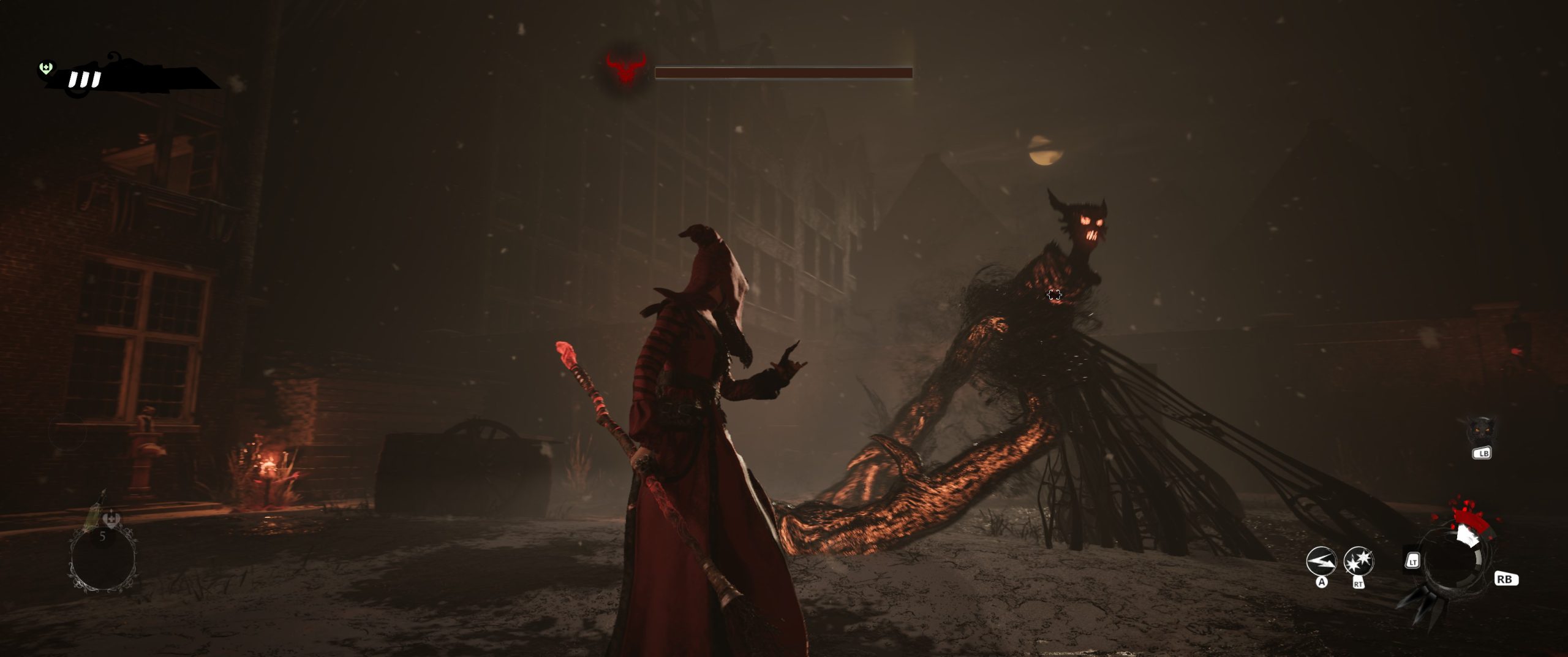
Whenever I got caught infiltrating a restricted location, guards rushed in and forced a confrontation. Switching to witch form allowed me to execute basic melee combos and a speedy dodge move, while upgrades added devastating special attacks to my mix. In a clever twist on traditional stealth mechanics, defeating a set number of guards triggered an “Intimidation Mode,” causing nearby citizens and guards to cower and actively avoid me.
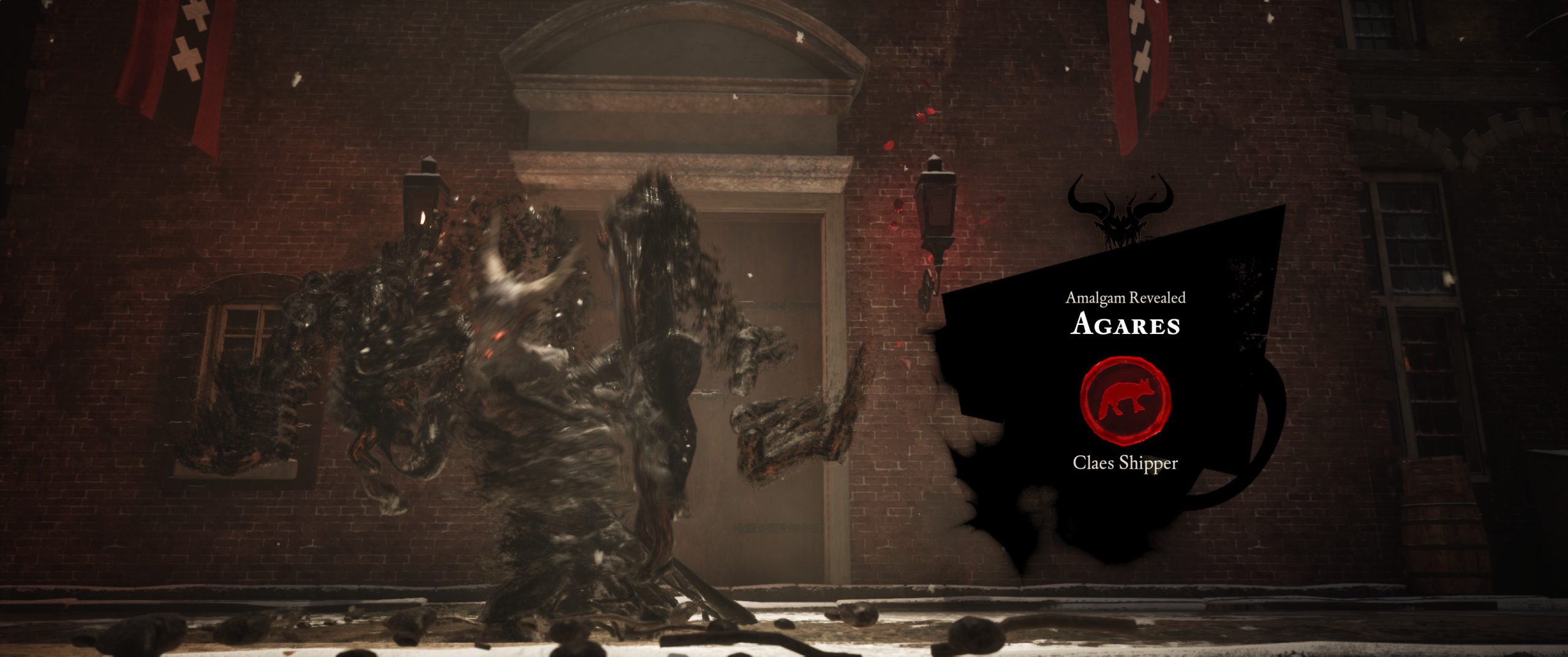
Once I exposed an Original through gathering evidence, I had to officially name them, mark them with Aaron’s cat claws, and prepare for the Esbat. When the full moon rose, my target revealed its true demonic form, leading to a high-stakes duel to harvest its energy before night ended.
Visual Triumph vs. Mechanical Friction
1666: Amsterdam fascinated me. The game is driven by a vision that I found impossible to ignore despite some mechanics and design choices that slow the narrative and some optimization issues.
- The Good: The art style brought to life in Unreal Engine 5 is staggering. The visual direction of 1666: Amsterdam, the moody canal lighting, and Noa’s witch design represent some of the finest art design I have seen in years. Paired with stellar voice acting, they created an incredibly immersive atmosphere that pulled me right in. The nuanced mechanics of searching houses, unearthing potion recipes, and freely exploring the town made the core loop surprisingly addictive.
- The Bad: The combat is clunky and basic, boiling down to a repetitive rhythm of dodge, hit, and repeat. While my potions offered temporary shields or attack boosts, the lack of quick-cast spells hurt my fantasy of playing a powerful witch. Furthermore, poor engine optimization led to noticeable frame drops, while the present-day and 1990s segments felt flat to me, stripping away combat and spellcraft in favor of slow puzzle-solving and exposition dumps.
Early Access Verdict
Ultimately, my time with 1666: Amsterdam added up to a bizarre, rough-around-the-edges experience. Yet despite the performance quirks, clunky combat, and pacing issues, what I experienced in the game lives rent-free in my head.
The sheer strength of its visual identity, dark atmosphere, and nuanced alchemical exploration make it a project I feel is worth celebrating. Panache Digital Games has plenty of work ahead during Early Access to iron out performance and polish the gameplay, but the core concept is brilliant, and I hold genuine hope that the full release will tie these ambitious ideas into a cohesive masterpiece.
I was given a Steam key via PressEngine from the publisher, and 1666: Amsterdam is available right now in Early Access for PC via Steam and the Epic Games Store. Console versions will eventually be released, though no formal date has been given.