 Blogcritics The critical lens on today's culture & entertainment
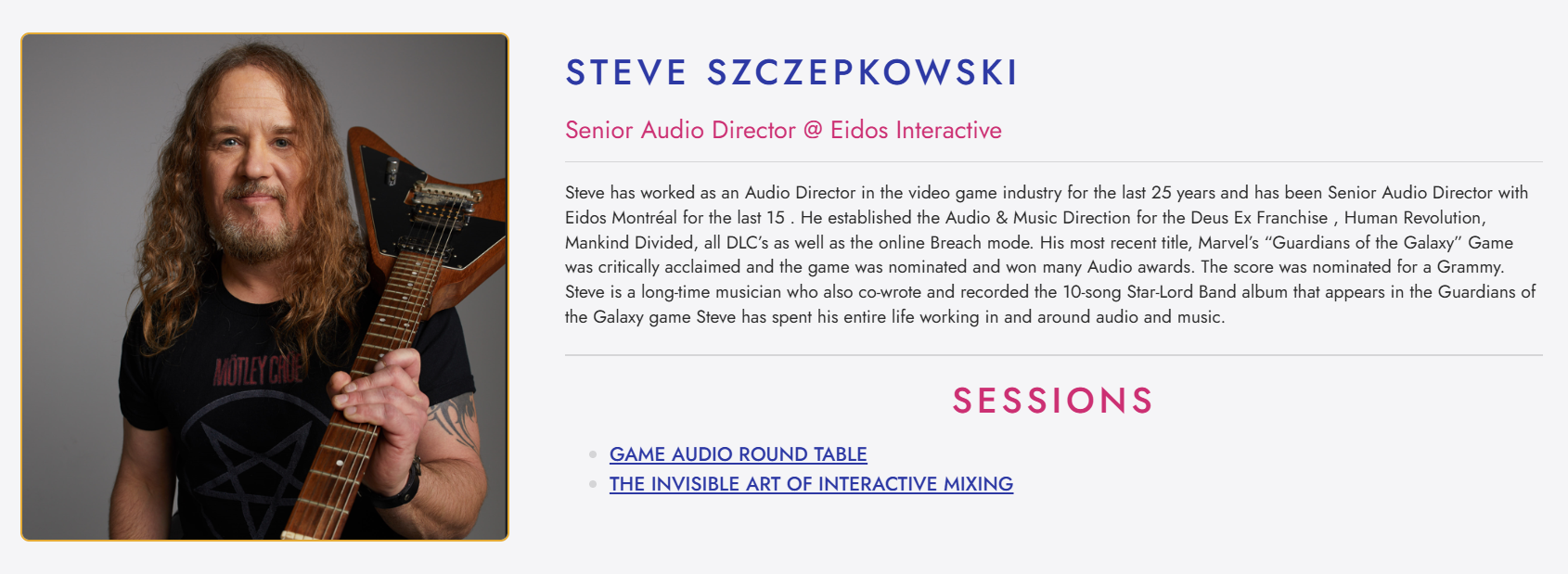
Each year, the Montreal International Game Summit (MIGS) gathers developers, executives, and creatives to discuss the ever-changing craft and business of interactive entertainment. At MIGS 2026, Eidos-Montréal Senior Audio Director Steve Szczepkowski stepped into the spotlight to share insights from his 25-year career on two specialized panels: “Game Audio Round Table” and “The Invisible Art of Interactive Mixing.”
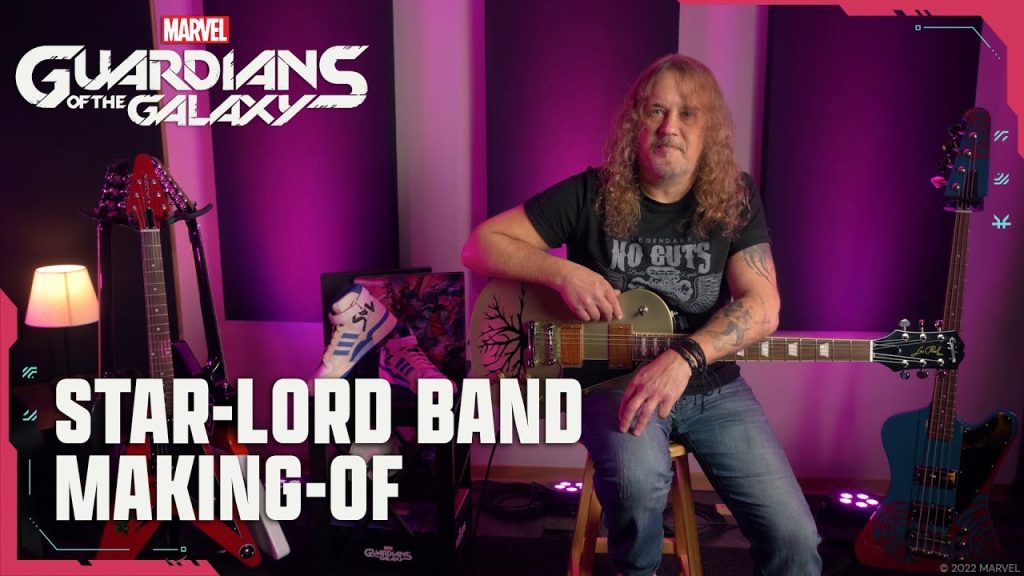
After his sessions wrapped, I caught up with Steve for a candid conversation tracing his improbable journey from 1980s rock clubs and factory floors to defining the brooding, synth-driven atmosphere of Deus Ex: Human Revolution and, eventually, turning a fictional ’80s metal band from Marvel’s Guardians of the Galaxy into a real-world streaming juggernaut with over 30 million plays.
From ’80s Rock Clubs to Sound Design at 30
Where most game developers enter the industry via university computer science or arts programs, Steve spent his 20s touring in rock bands and working manual labor shifts. Upon turning 30 and deciding he needed a sustainable career path, he enrolled in a computer-assisted sound design course at the Trebas Institute, despite having limited computer experience.
Breaking into Montreal’s burgeoning early-2000s gaming hub took pure grit. Through relentless cold-calling and emailing local studios, he eventually secured his first professional credit composing dance tracks for a Bratz title on the Game Boy Advance.
I was like, ‘I can write anything you want. I will wear a clown suit and dance in front of your studio if it pays me to do audio… If I have one trait in my life, it’s that I’m relentless. And I won’t give up.
When that studio closed five years later, leaving Steve with a new house, a one-year-old daughter, and no income, he caught his big break: Eidos-Montréal was looking for an audio director for Deus Ex: Human Revolution. Stepping in without knowing the massive weight of the franchise allowed him to approach the project fearlessly, crafting a dark, synth-driven cyberpunk score that defined the reboot.
Turning Star-Lord into a Real-World Rock Phenomenon
After spending nearly a decade immersed in the Deus Ex universe across Human Revolution and Mankind Divided, Steve initially hesitated when Marvel’s Guardians of the Galaxy came across his desk. However, once he realized the creative freedom Marvel was offering, he poured everything into the project, delivering nearly eight hours of total music, including five hours of orchestral score by Richard Jacques, 31 licensed tracks, and a full 10-song original rock album for the fictional “Star-Lord Band.”
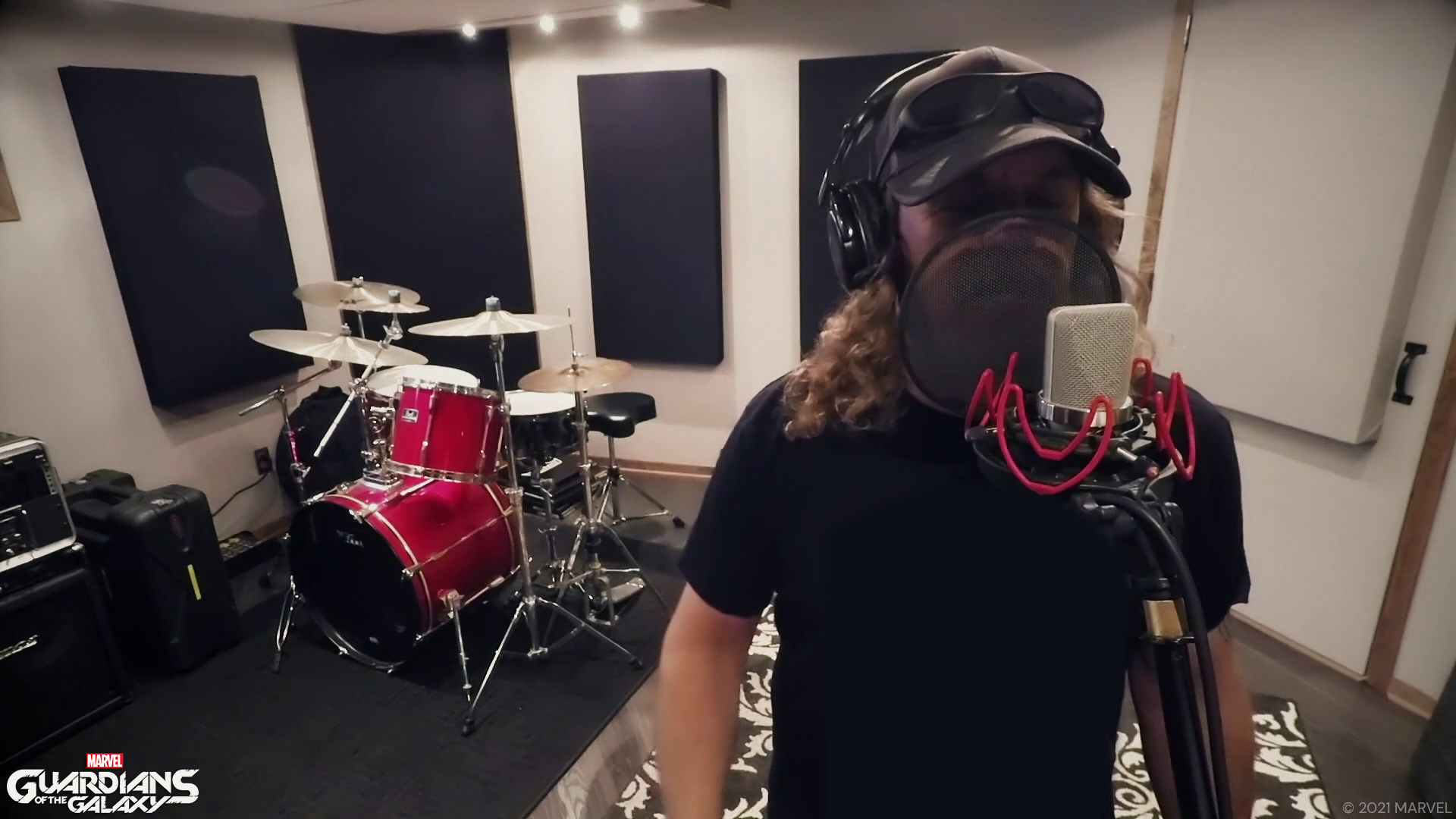
Partnering with sound designer Yohann Boudreault, Steve channeled his 1980s rock roots to write and record the album from scratch. Six years later, the soundtrack has defied the typical lifespan of video game tie-ins, racking up over 30 million streams on Spotify alone, with the track “Zero to Hero” surpassing 10 million plays.
I thought, ‘Okay, we did the album, people’ll like it, and once the game goes into the, where all games go to die, into that netherworld, the album will go with it.’ But no. It’s like it’s six years with no support and it still has almost 100,000 monthly listeners.
Listen to the Full Interview
Fighting for the Final Mix at the End of the Assembly Line
Because audio sits at the very end of the game development pipeline alongside VFX and final coding, any production delays earlier in the schedule inevitably eat into mixing time. Determined not to repeat the grueling crunch of Mankind Divided, Steve successfully lobbied Eidos-Montréal leadership to lock in dedicated budget and time for a proper Dolby Atmos mix in London.
Recognizing that audio technology leaps forward dramatically between five-year development cycles, Steve emphasized the importance of checking your ego at the door and bringing in specialized experts, such as veteran film re-recording mixer Richard Pryke, to elevate the final product.
My biggest thing is I’m very good at saying, ‘I have no ego.’ I go, ‘I don’t know this. I need to find somebody who’s smarter than me, and learn from them and surround myself with people… I treat the company’s money like it’s my money, ’cause the day the company doesn’t have money, I don’t get paid.
Advice for Aspiring Audio Designers and Indie Teams
For smaller indie studios working without AAA budgets, Steve recommends creative thinking, such as partnering with unsigned local bands eager for exposure in a video game, and taking advantage of accessible modern home-studio tools. For aspiring audio professionals trying to break into the industry today, his advice remains rooted in the same hustle that got him off the factory floor:
You have to be relentless. It’s not easy. You have to put yourself in positions where you can get those opportunities… You really got to hustle. If you want it, you got to show people you want it, and show people that you’re hungrier than the 10 other people standing next to you.
Be sure to check out our complete coverage of other standout MIGS 2026 panels and our interview with narrative veteran Susan O’Connor, and look forward to our chat with Sandra Smedegaard Mondahl from IO Interactive in a future article.