 Blogcritics The critical lens on today's culture & entertainment
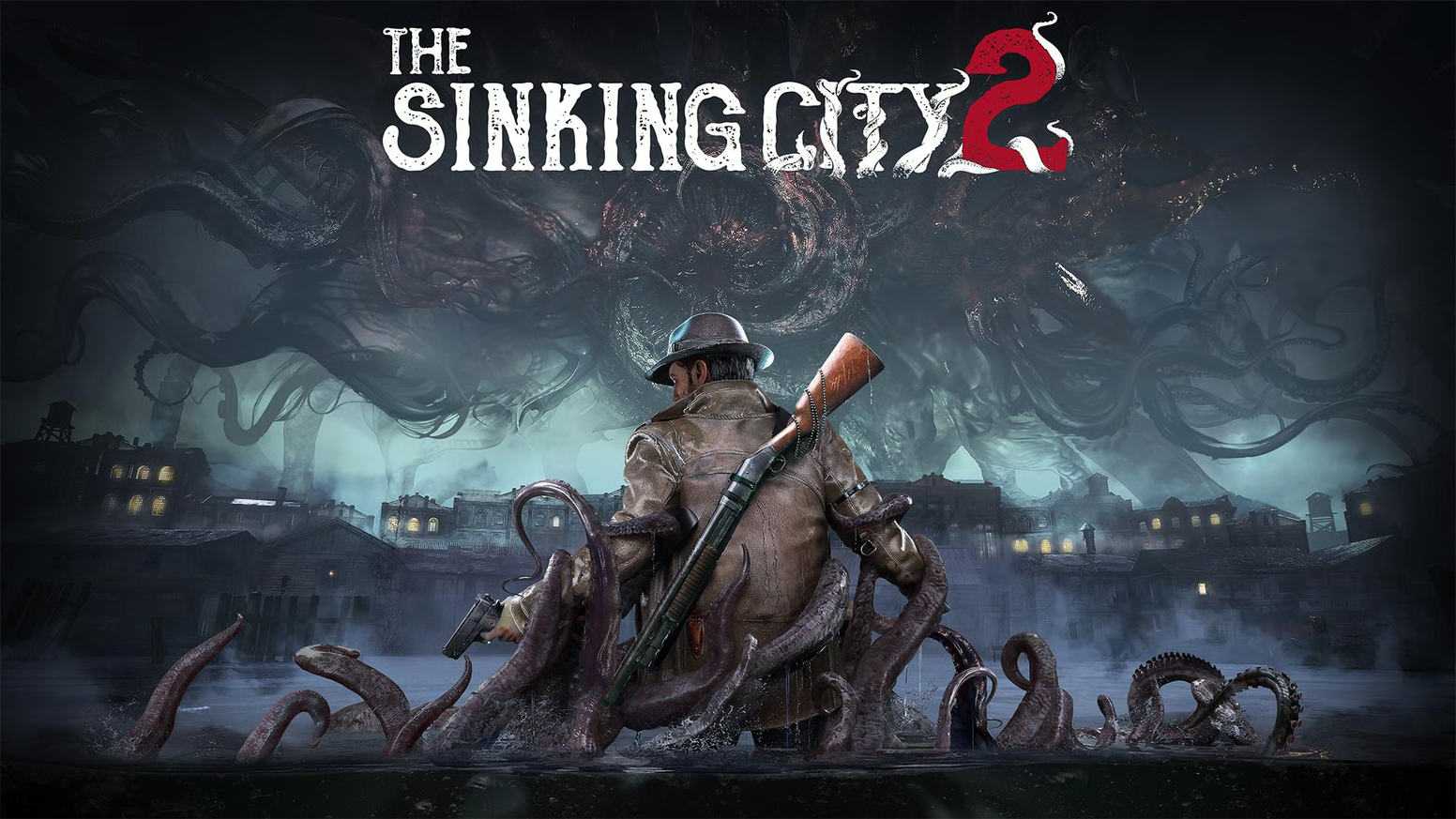
Back in 2019, Frogwares rolled out The Sinking City, an ambitious open-world detective title set in the waterlogged streets of Oakmont. While the concept was rich with Lovecraftian atmosphere, its grand scale was undercut by awkward combat and an oversized map that often felt sparse.
Fast-forward to 2026, and the Ukrainian studio has returned to cosmic horror with The Sinking City 2. Rather than doubling down on open-world investigative mechanics, Frogwares pivoted sharply, stripping away the bloat to deliver a lean, semi-open survival horror campaign heavily inspired by the likes of Resident Evil and Silent Hill.
It is a focused and deliberate reinvention, trading vast travel times for claustrophobic tension, that delivers an edge-of-your-seat journey through flooded Arkham, even if a few mechanical design choices occasionally grate.
Beyond the Veil: Calvin and Faye’s Desperate Quest
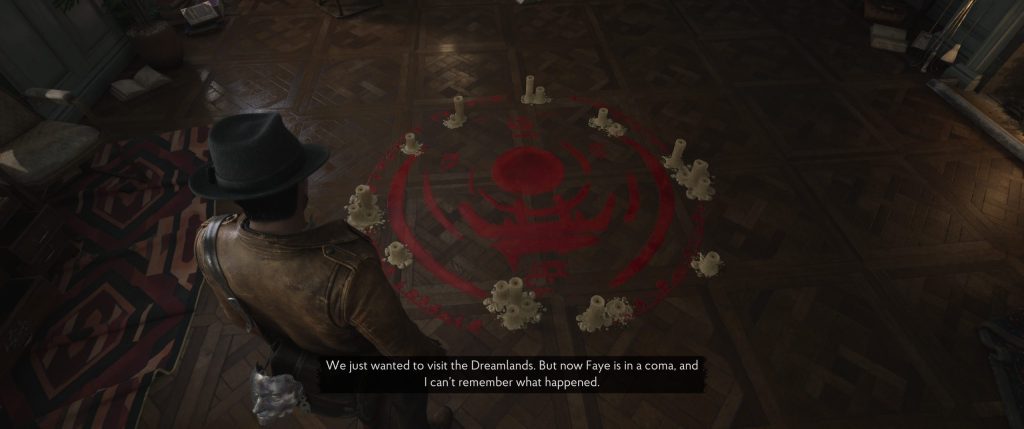
Set in a standalone, 1920s iteration of Arkham, Massachusetts, The Sinking City 2 shifts focus to a new narrative starring Calvin Rafferty, a wisecracking occult adventurer in the classic Indiana Jones mold. Working alongside him is his no-nonsense partner, Faye Bennett, whose capability outshines Calvin’s until a sudden, mysterious affliction strikes her down.
The pivotal incident occurs after a occult ritual beyond the veil goes disastrously wrong, leaving Faye trapped in an unresponsive, supernatural coma. Determined to save her, Calvin researches an ancient restoration ritual and sets off into Arkham’s flooded, ruined landmarks, including Miskatonic University, St. Mary’s Hospital, and the dilapidated Devil’s Reef Hotel.
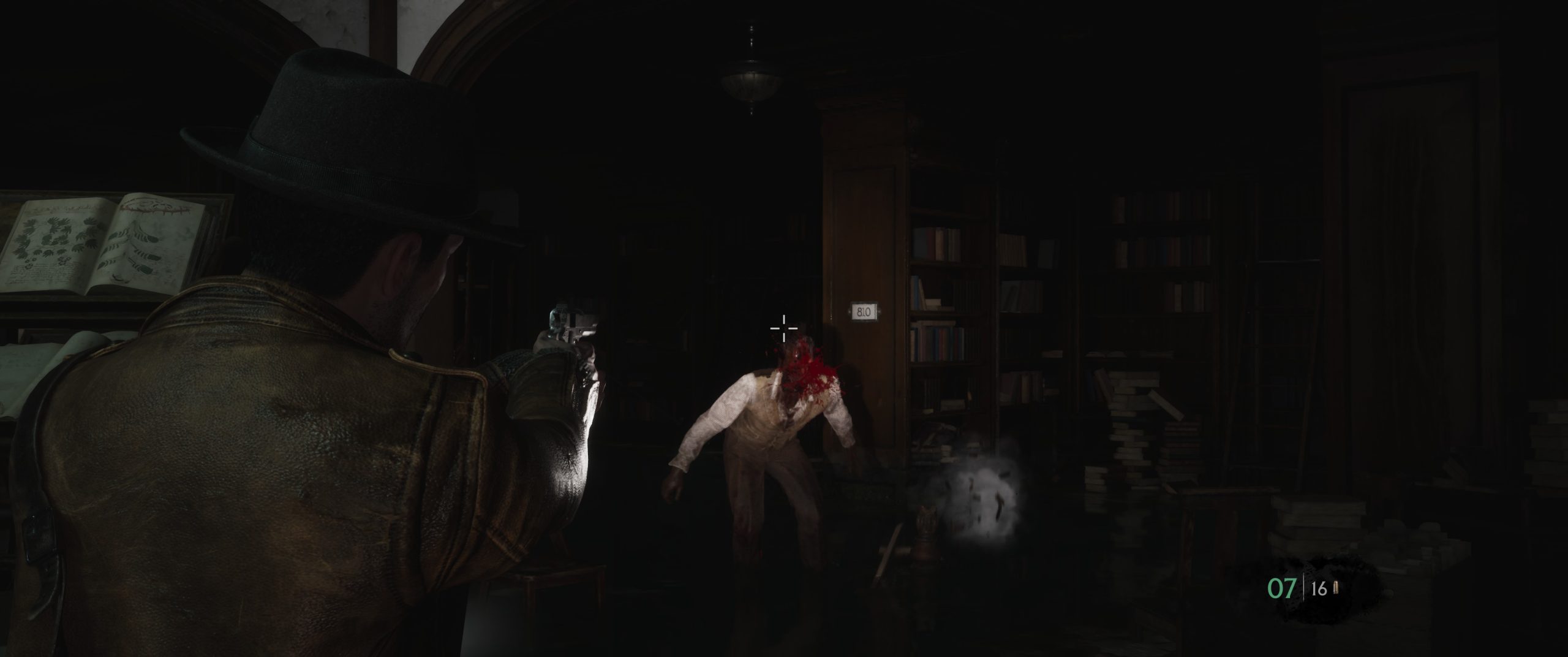
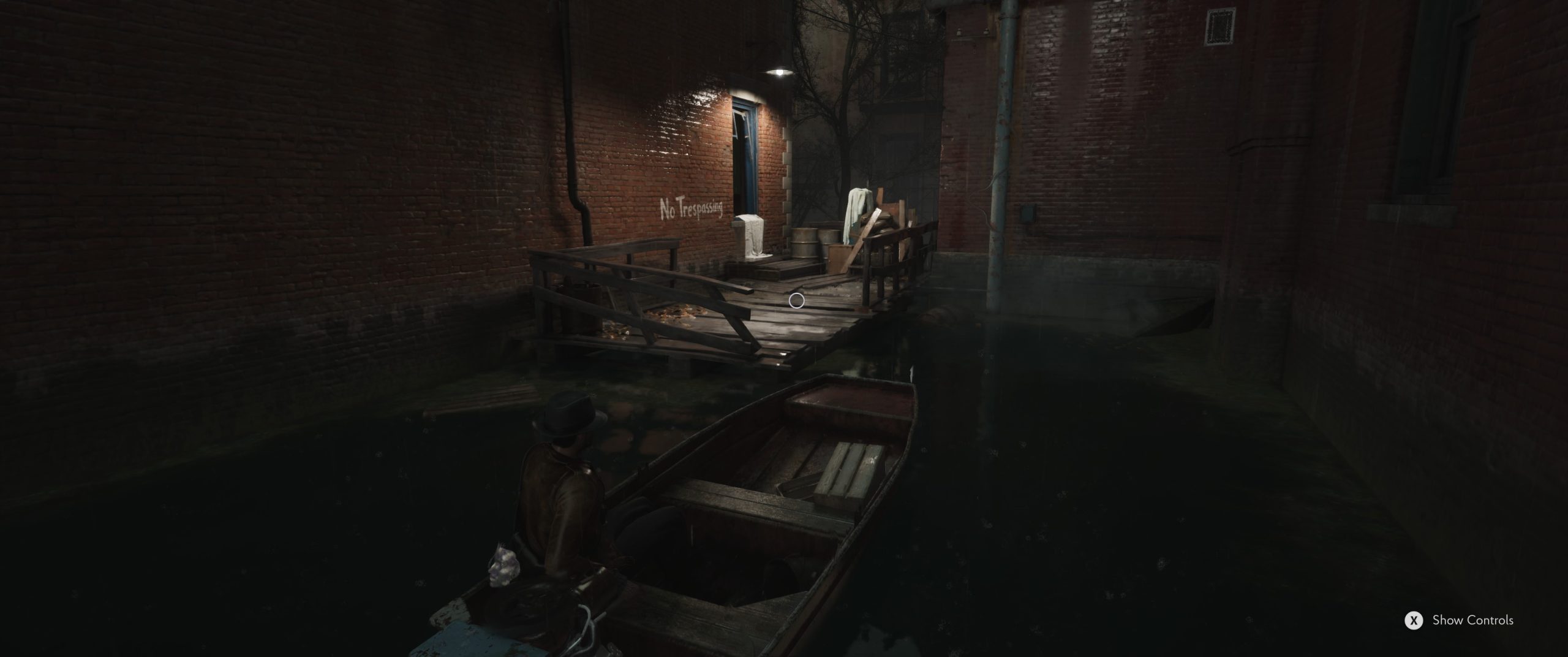
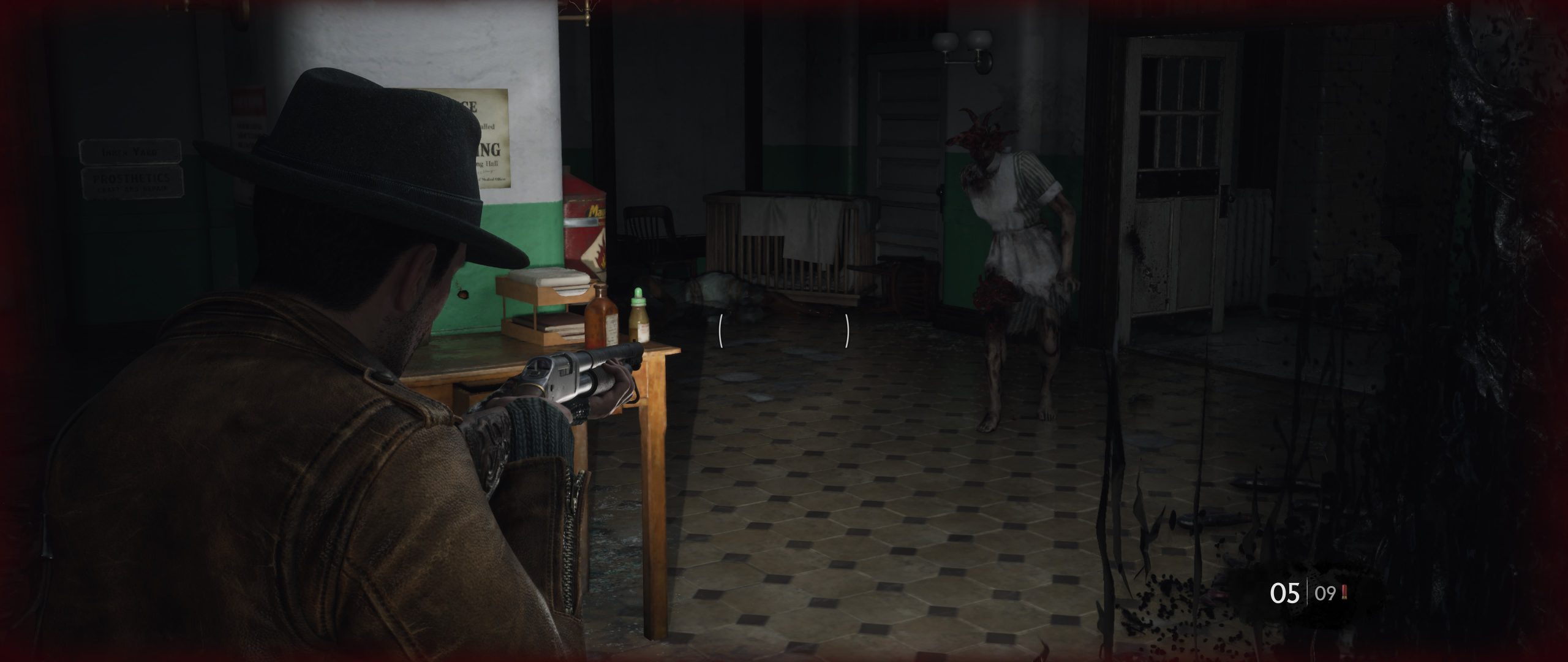
His search for ritual components is complicated by the Slither, an eldritch parasitic worm infestation that reanimates dead bodies and flings them directly at Calvin. Making matters worse, human zealots are actively working alongside the Slither, forcing Calvin to contend with both occult weaponry and cosmic horrors. Throughout this grim ordeal, Faye’s presence continues to guide Calvin through the surrounding madness, anchoring his motivation to pull her back from the brink.
Classic Survival Horror and the Crafting Conundrum
The core gameplay loop embraces traditional survival horror principles that keep the action moving, but bring in some challenges with inventory and backtracking fatigue.
- Infiltrate and Scavenge: Enter flooded, claustrophobic districts like Aley Memorial Hospital or the Fish Market to search drawers and cabinets for limited resources while dealing with immediate threats.
- Establish Safe Spaces: Locate sanctuary rooms complete with save points, inventory stash boxes, and perk stations.
- Explore and Unlock: Solve environmental puzzles, hunt down themed keys, and unlock shortcuts to secure key paths forward.
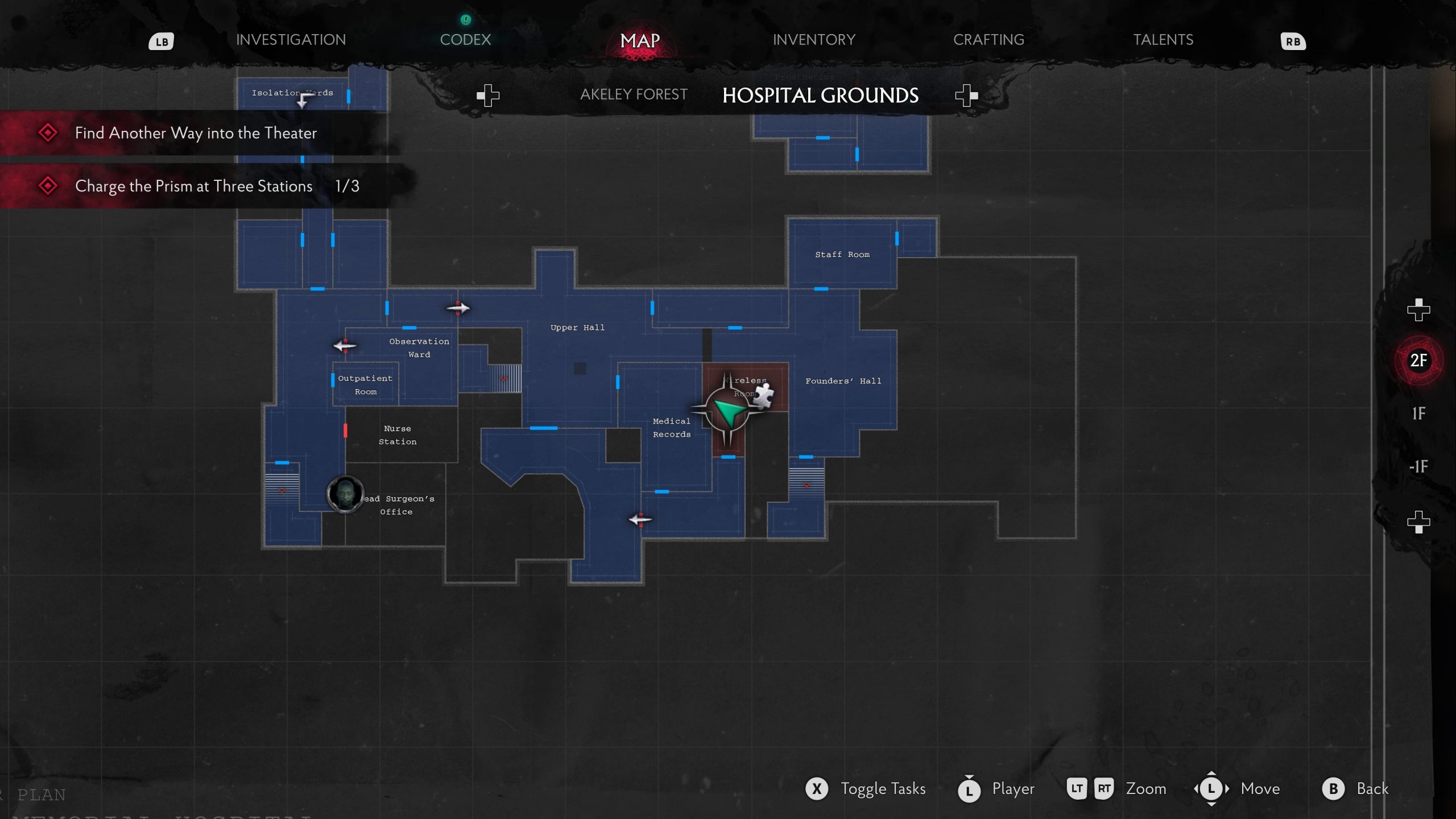
Thankfully the game features an excellent map system that helps immensely by marking rooms in color-coded states and highlighting unclaimed items, unsolved puzzles, or unexamined mysteries. This dynamic map is a lifesaver, especially because storage space is so limited and The Sinking City 2 borrowed one of the worst Resident Evil tropes: forcing players to manually combine raw components to craft basic bullets or medical supplies.
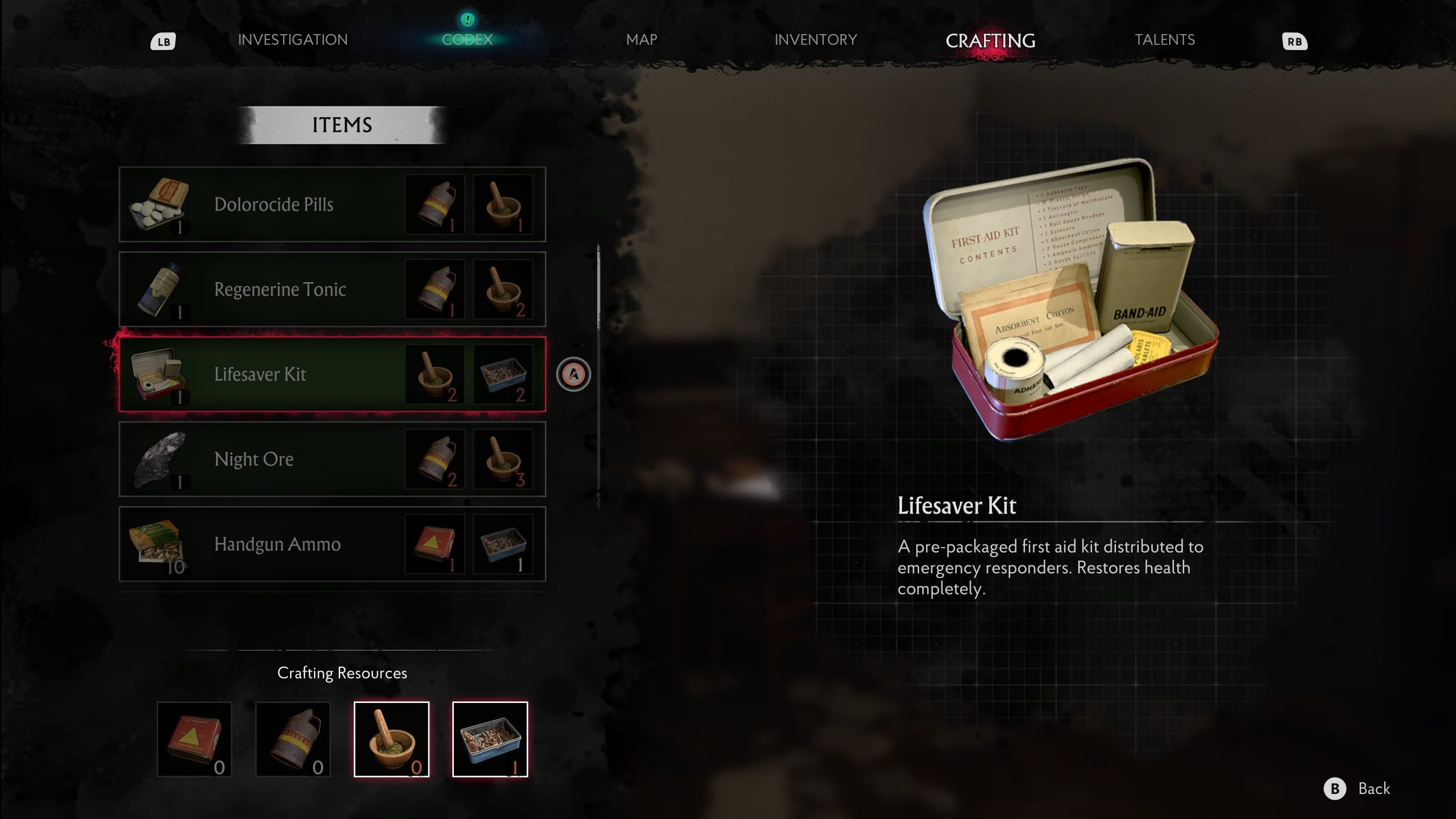
As you progress, your arsenal expands from a standard handgun to a shotgun, submachine gun, and rifle. Each firearm uses its own specific ammo type and requires distinct crafting parts to build more rounds, which compounds your inventory woes immensely.
To mitigate this grid squeeze, you can hunt down rare lockboxes scattered across Arkham that grant permanent inventory space expansions, though opening them requires finding hidden keys first. I genuinely appreciate the classic survival mechanic and the tension of limited ammo; the friction simply lies in the tedious crafting clutter while actively wrestling with grid space.
To make matters stranger, certain major boss arenas feature infinitely respawning loot pickups that the game cheekily explains, via in-game notes, concerning their “bizarre physical properties,” completely undercutting the resource scarcity established during general exploration.
Combat Stress, Progression, and Eldritch Puzzles

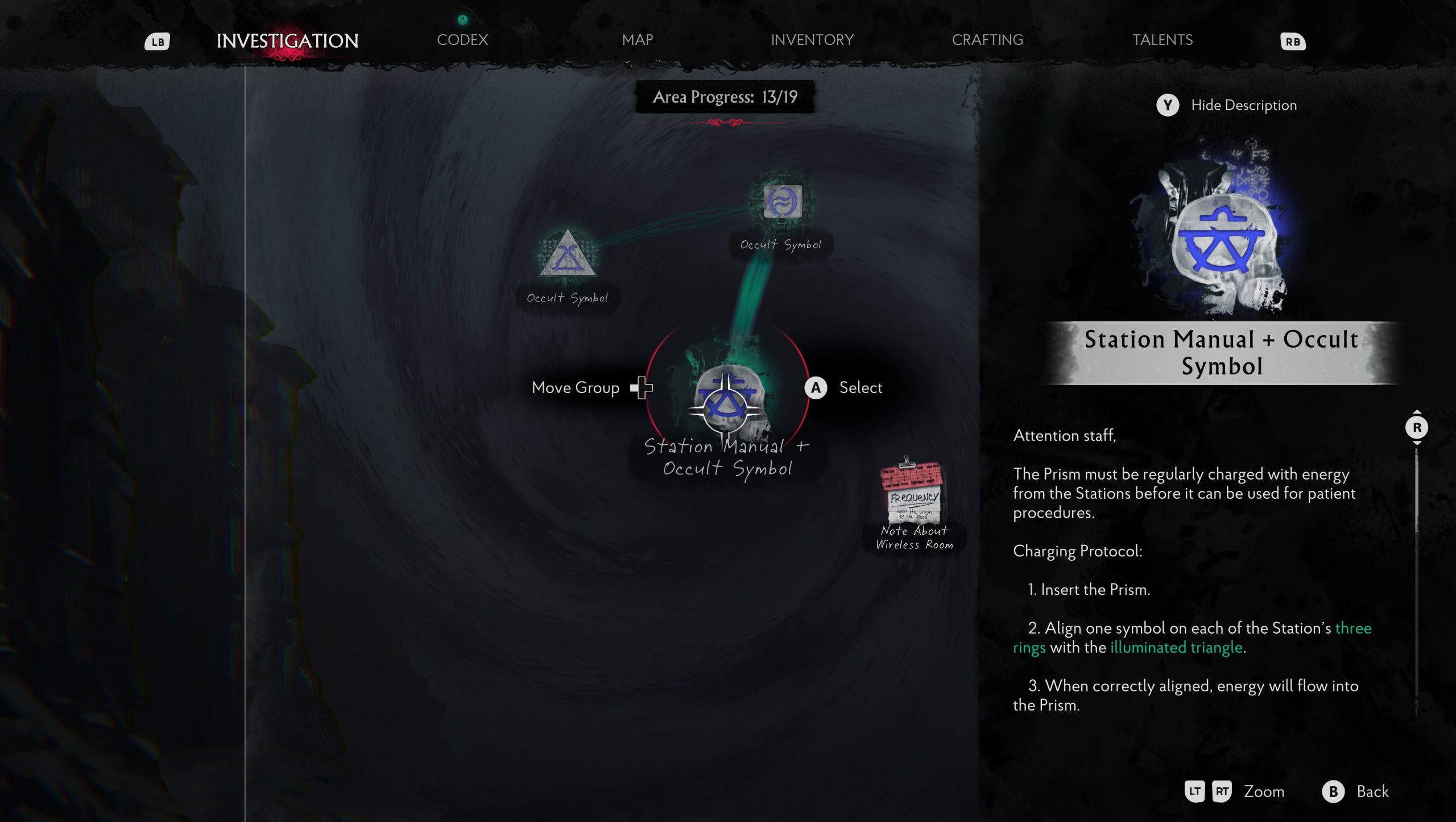
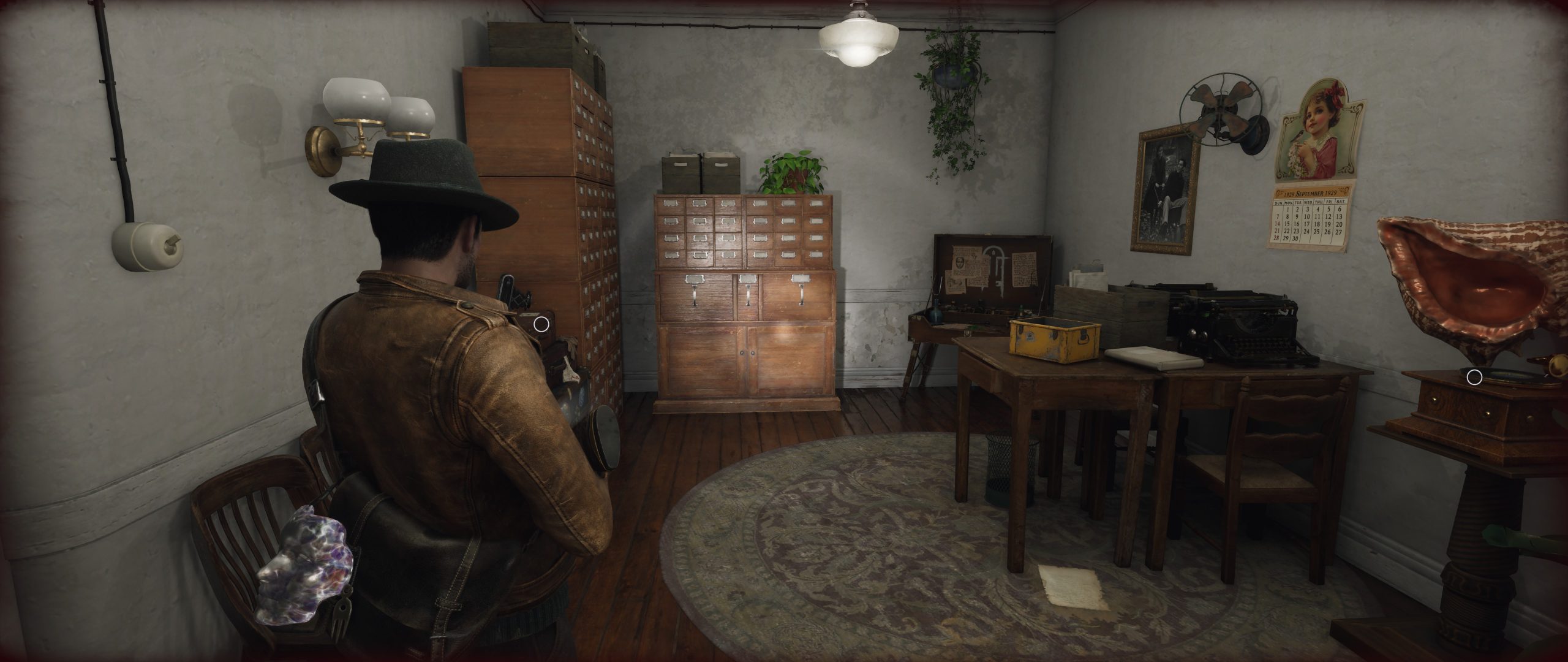
Regardless of the inventory headaches, the safe rooms are sanctuaries. They offer crucial save points, item storage, and an upgrade station to spend points on perks across four tiers that become increasingly powerful as higher tiers are discovered. The game dispenses clues and lore during exploration, and linking these written notes together on a detective-style “mind map” using red string rewards you with Dream Essence to spend on talent points across various playstyles. You can also find and equip weapon attachments, like focus-aim modifiers or critical-hit barrels, to add extra punch to your firearms.
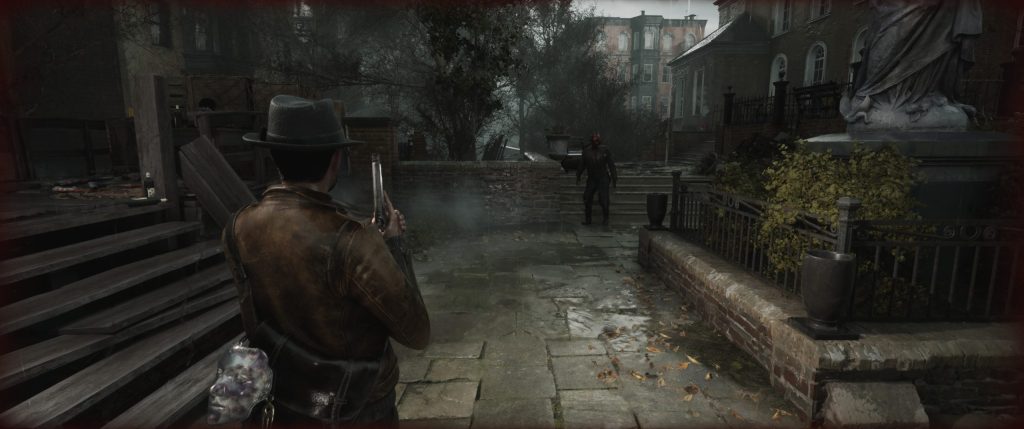
Combat itself is often stressful, with fast enemies scampering through tight corridors, or hordes of animated corpses swarming Calvin as he explores environments that grow progressively more dangerous and hostile. What works particularly well is how Frogwares reimagined enemy weak points: Rather than relying on traditional headshots, the parasitic Slither creates pulsating, pus-filled mounds on enemy limbs and torsos. This forces players to use a Resident Evil-style focus aim system, where standing still narrows your crosshairs for precision strikes.
It became clear a little too late in my playthrough that everything does not need to be killed; learning to dodge, time punches, stomp downed foes, and just avoid encounters is essential when resources are so scarce. Playing on Normal difficulty can be very tough, and missing a save between exploration runs can result in harsh setbacks.
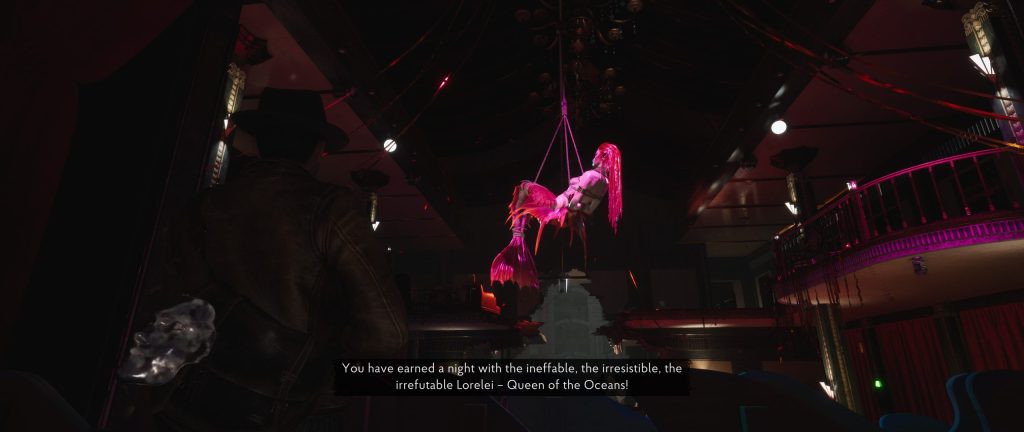
Still, the drive to see what dark paths Calvin and Faye would encounter kept me pushing forward, supported by delightfully bizarre and grim environmental puzzles. Tasks include deciphering occult symbols in order to charge magical devices, surreal encounters with talking brains in jars, hoisting a massive dead whale out of the water, and harvesting intact faces from dead facility staff members to bypass biometric security doors.
Visuals, Audio, and a Moving Dev Tribute
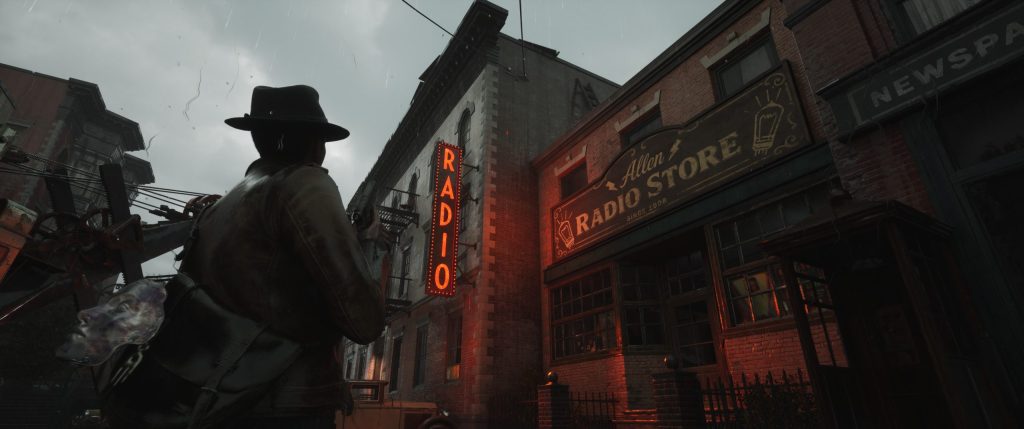
Visually, The Sinking City 2 boasts a great style. Enemies are suitably gory and creepy. There are plenty of surprise encounters and evolving enemy types over time. The voice acting is capable and the overall presentation looks quite good, but what makes the achievement even more remarkable is knowing the context behind its creation.
Built by a Ukrainian team who continued development while their country was under active invasion, the game carries a deeply personal impact. In a touching moment within a laboratory section, players can examine a set of X-ray lightboxes that tell the real stories of people close to the development team who fought and lost their lives in the war. It is a somber, deeply human moment embedded within a dark game.
The Verdict
The Sinking City 2 sets a new, far more focused path from the original game, bringing together key survival horror elements to deliver a solid, memorable experience.

We were given a Steam key for review purposes. The Sinking City 2 is available right now on PC via Steam.